Amazon links in this article are affiliate links. As an Amazon associate, I earn from qualifying purchases.
If you're into virtual surround sound, head tracking tech, strong treble, and lots of wireless features, take a look at the JBL Quantum 950X.
Connectivity
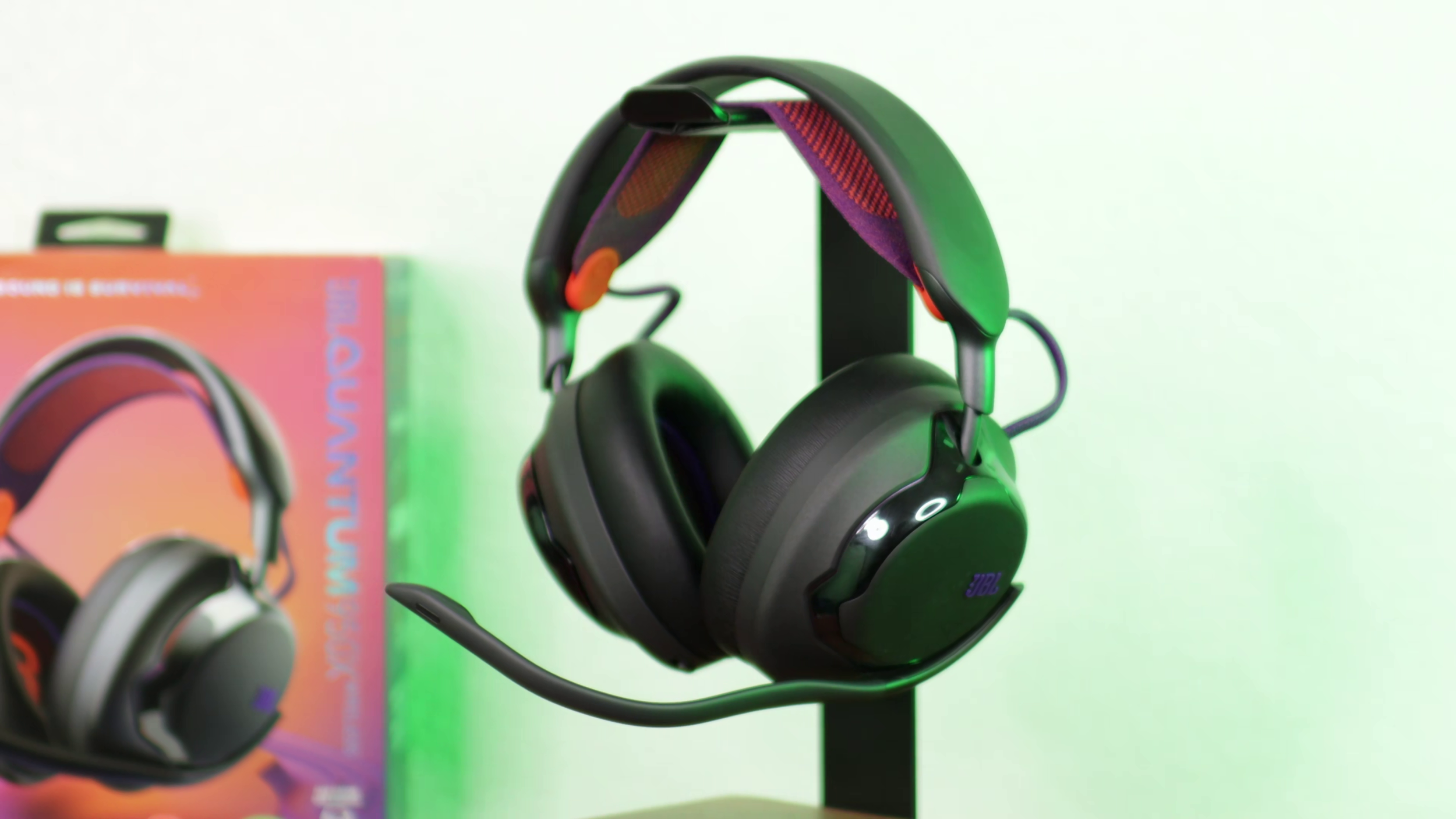
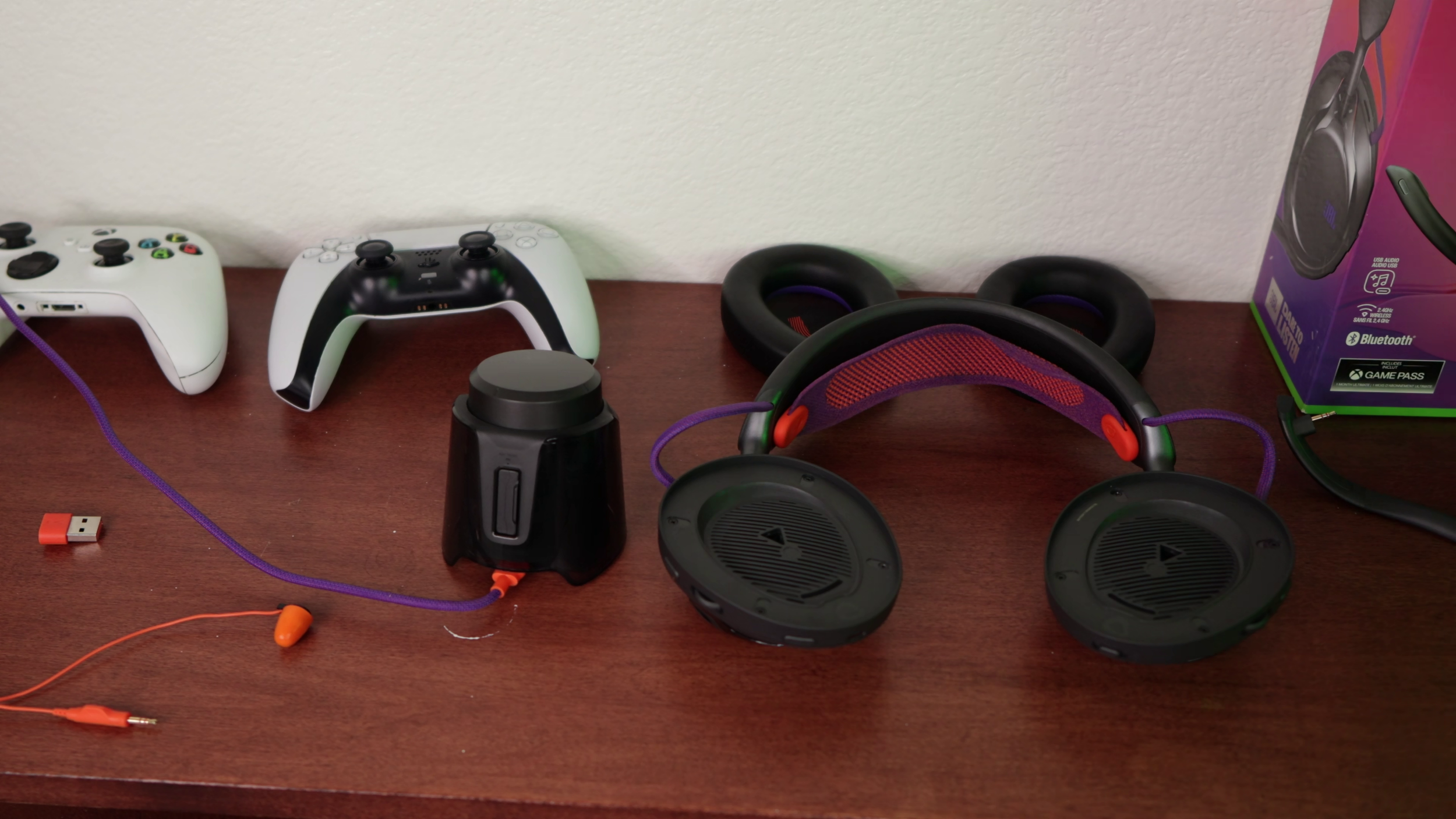
The Quantum 950X works on Xbox, PS5, Switch and PC. It connects using its Base Station for 2.4 GHz wireless.
It has simultaneous Bluetooth and 2.4 GHz audio.
There are also wired options - either USB-C to USB-A or USB-C to 3.5 mm. There's no 3.5 mm port on the headset itself, so you need the USB-C adapter.
Specific Interactions
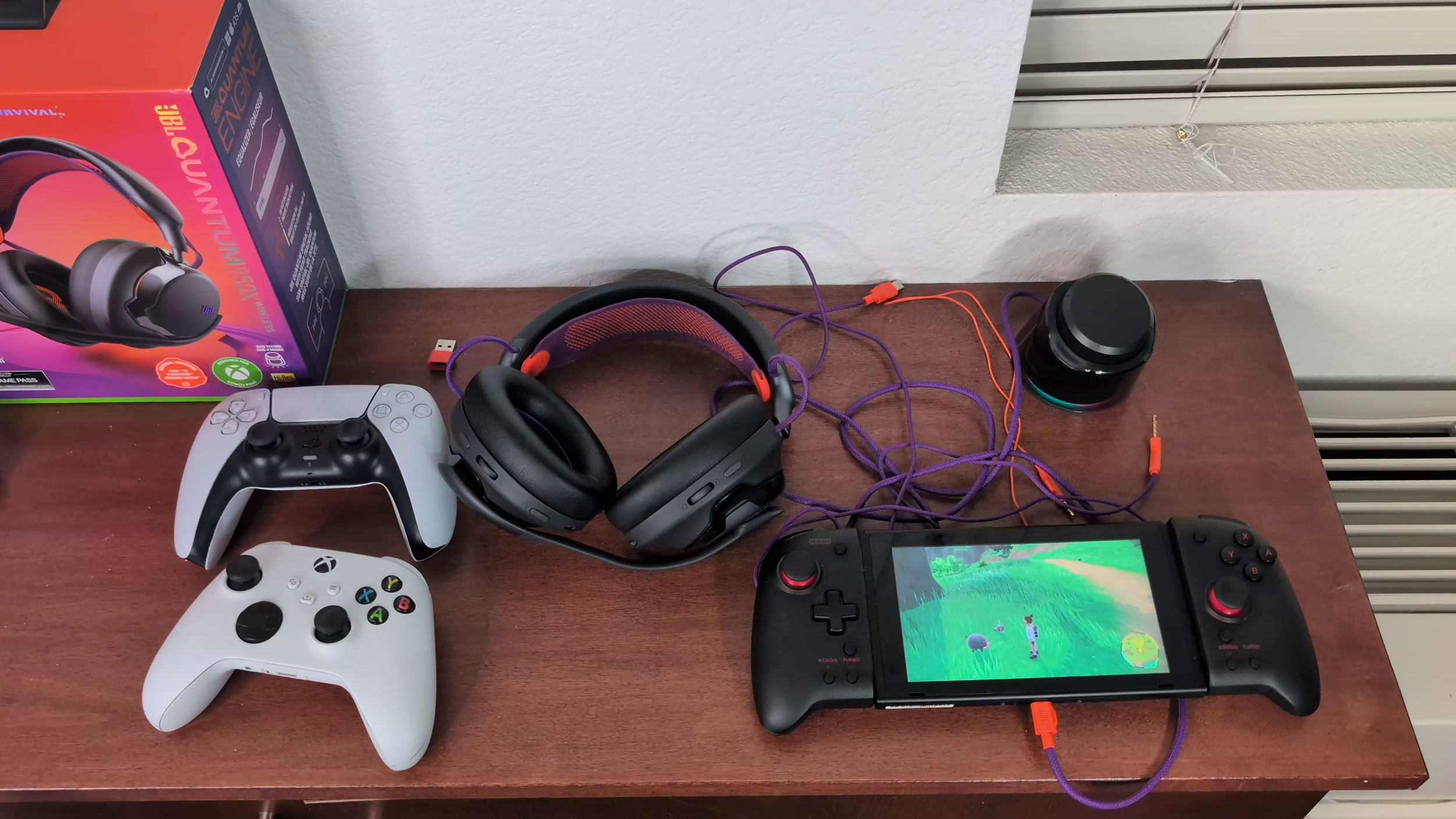
I tested this on all the different systems, so here are some of the specific ways the functions of the headset work based on what it's connected to:
Universal
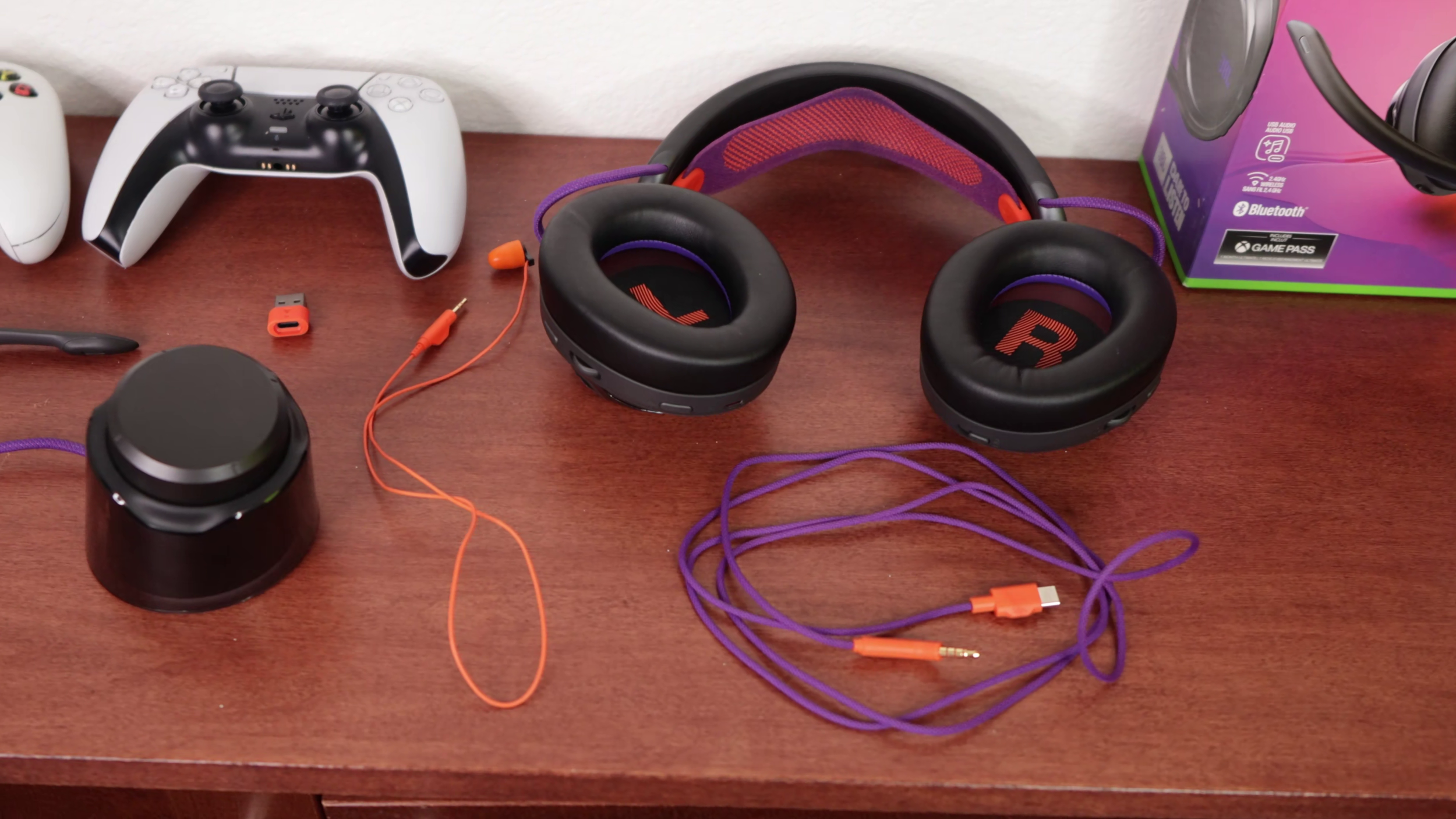
The Quantum 950X must be powered on to be used wired. It cannot be used wired and wireless at the same time. Using it wired turns off wireless.
Spatial Sound and head tracking work on all systems as long as the Base Station is being used. Spatial Sound does not work USB-C to 3.5.
The volume wheel works while using 3.5 mm and USB-C, but it becomes headset only amplification, not system volume like when used 2.4 GHz.
Switch 1 & 2
Spatial Sound does not work on the Switch via USB-C.
PC
Spatial Sound works through USB-C on PC, but only if the Quantum Tracker service is on.
Xbox Series S|X
USB-C to A does not work at all on Xbox. USB-C to 3.5 mm does work with the controller.
While using the Base Station, the game/chat volume mixer works both in the Xbox menu and on the headset. However, you might need to restart your console after setting up the headset for the first time for the mixer to actually show up.
PS5
Like Xbox, USB-C to 3.5 mm works with the controller.
USB-C works on PS5, and it's detected as the Quantum 950X. However, JBL’s Spatial Sound isn’t available like this.
Game/chat mixing does not work on PS5.
Base Station and Battery Life
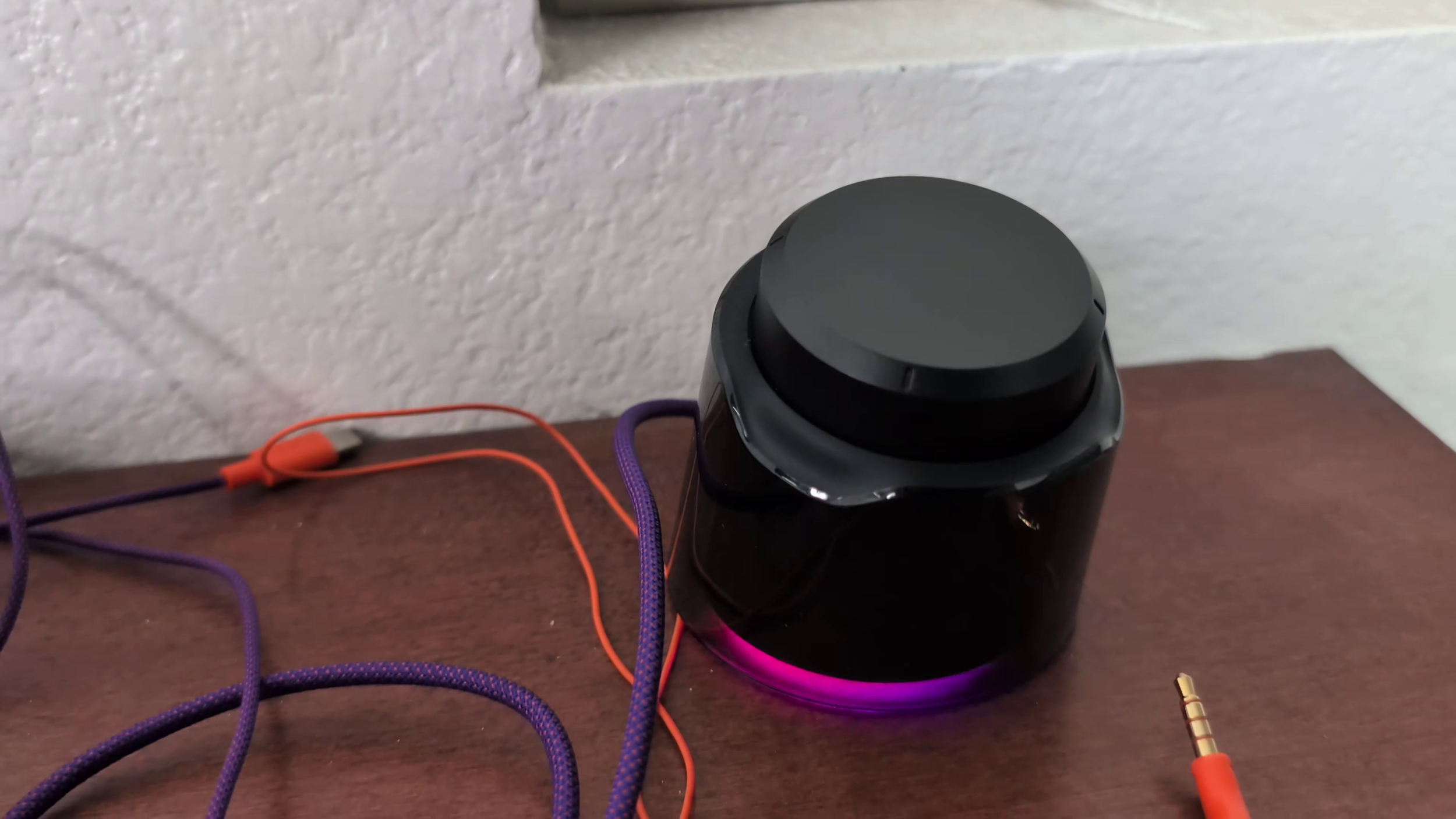
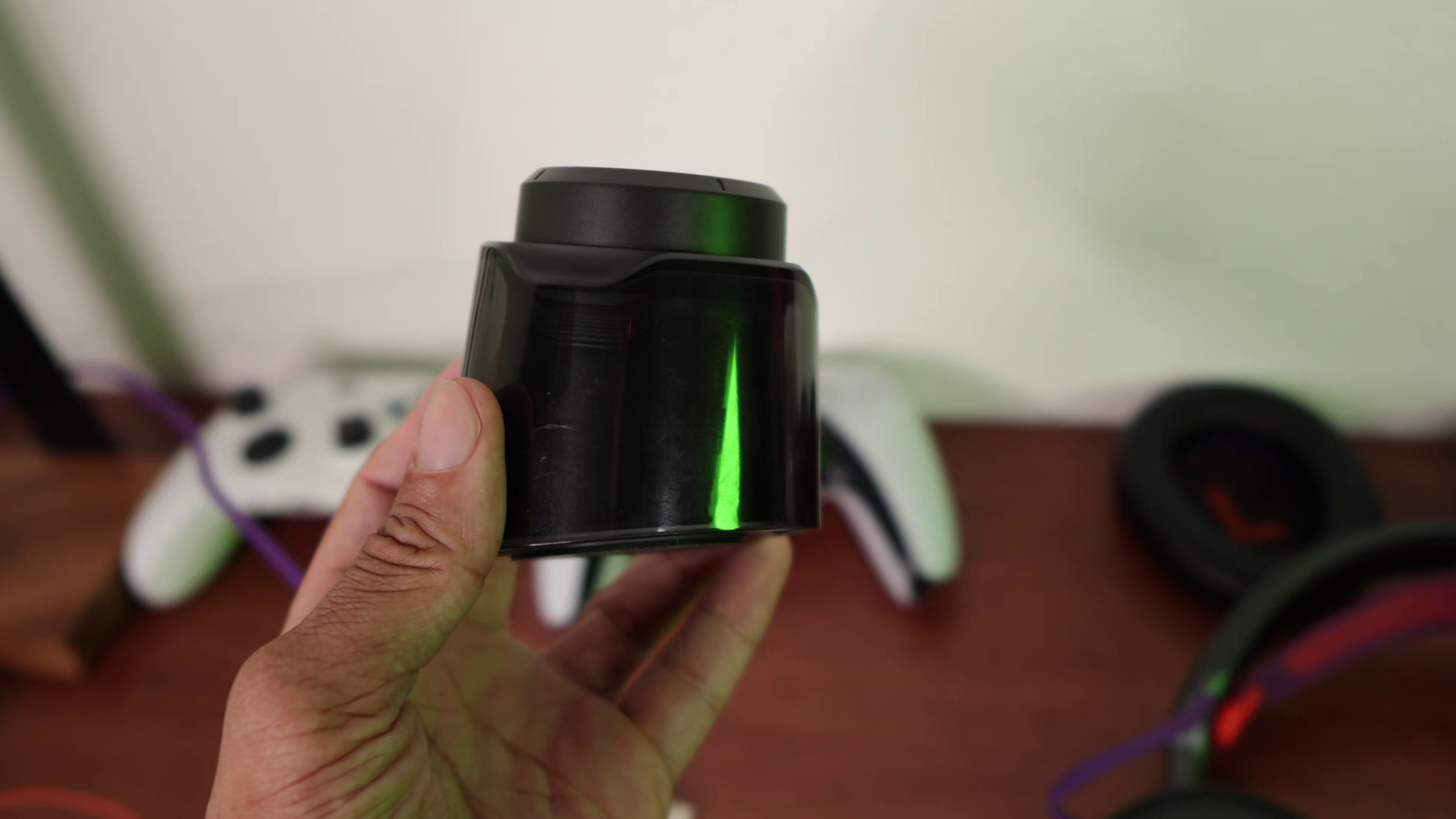
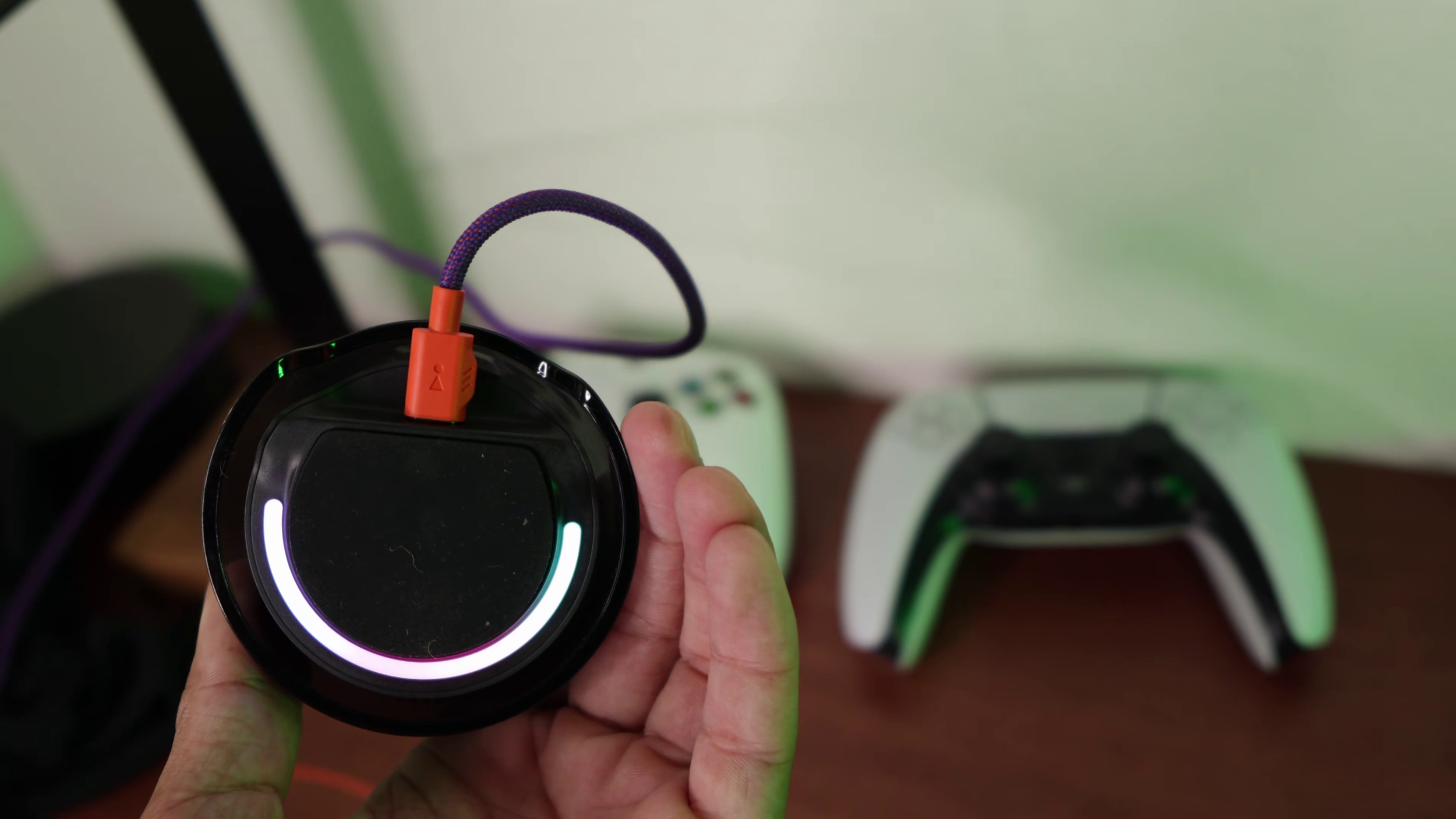
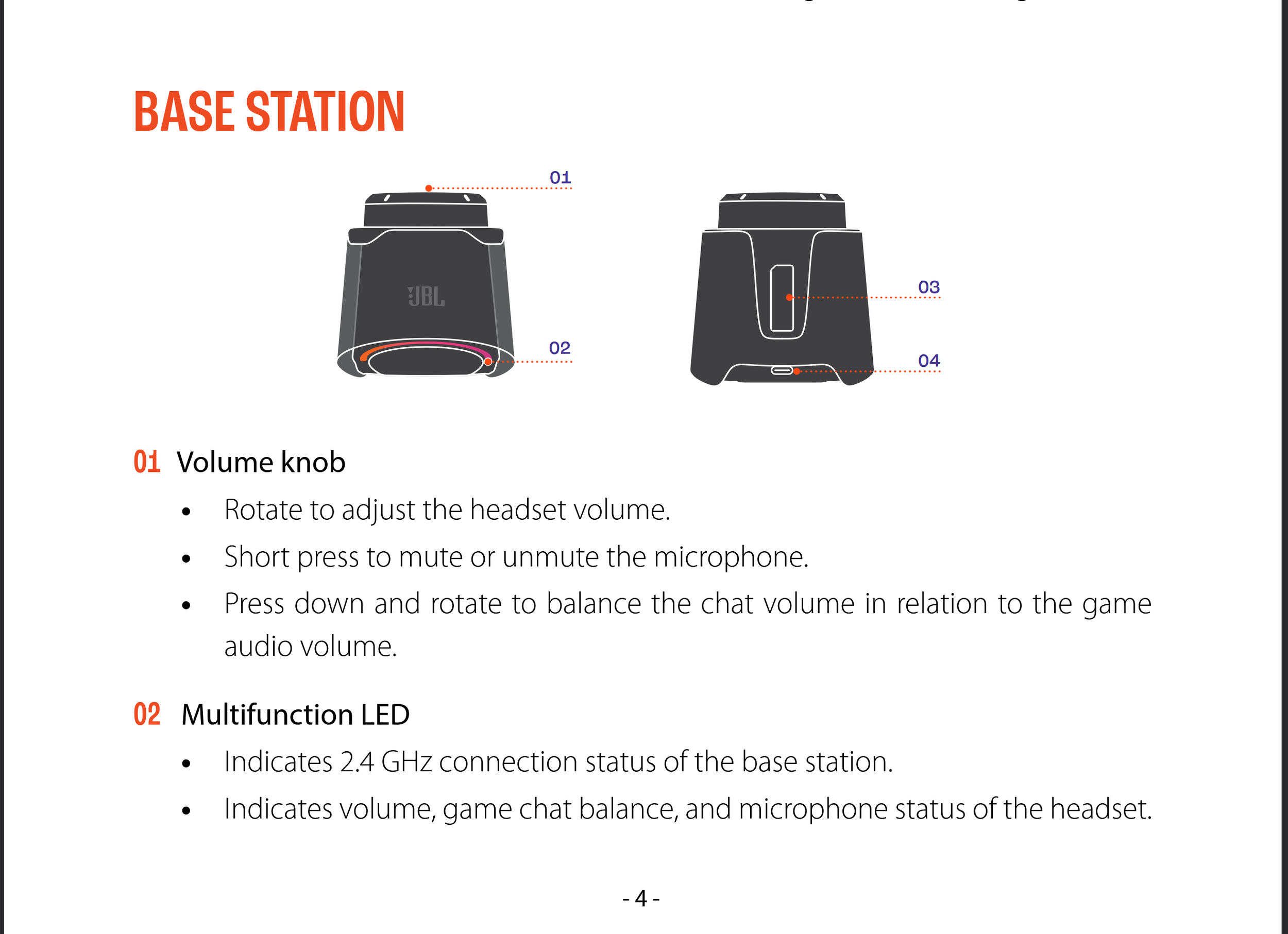
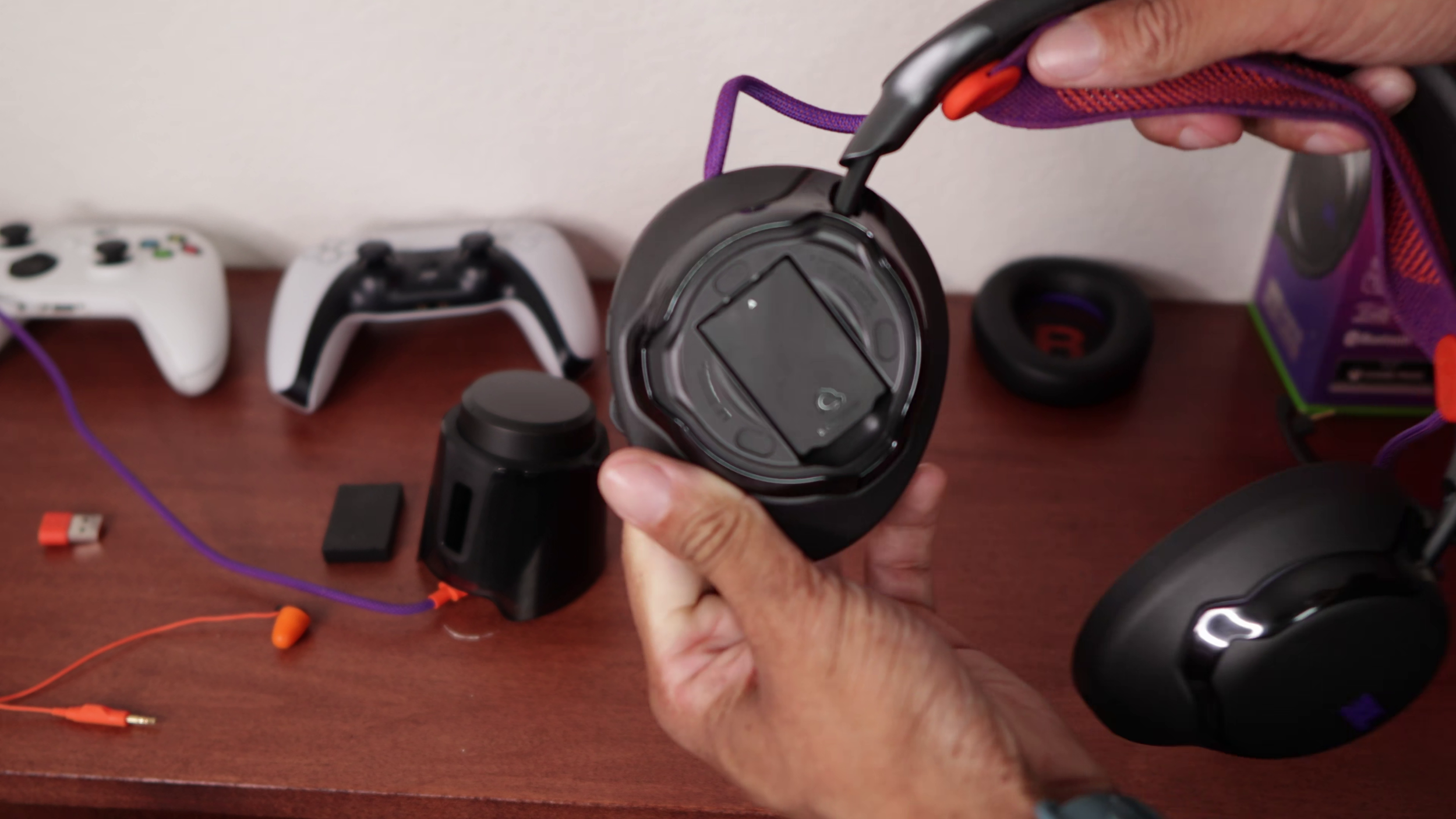
The cylindrical Base Station has three main functions.
It functions as the 2.4 GHz transceiver.
It charges the second battery, so you can swap them out quickly. You'll need to do this a lot because each battery only lasts up to 25 hours.
You can use the controls shown below to adjust the headset volume, game/chat volume, and mute the mic. These functions are already on the headset itself.
Headset Controls
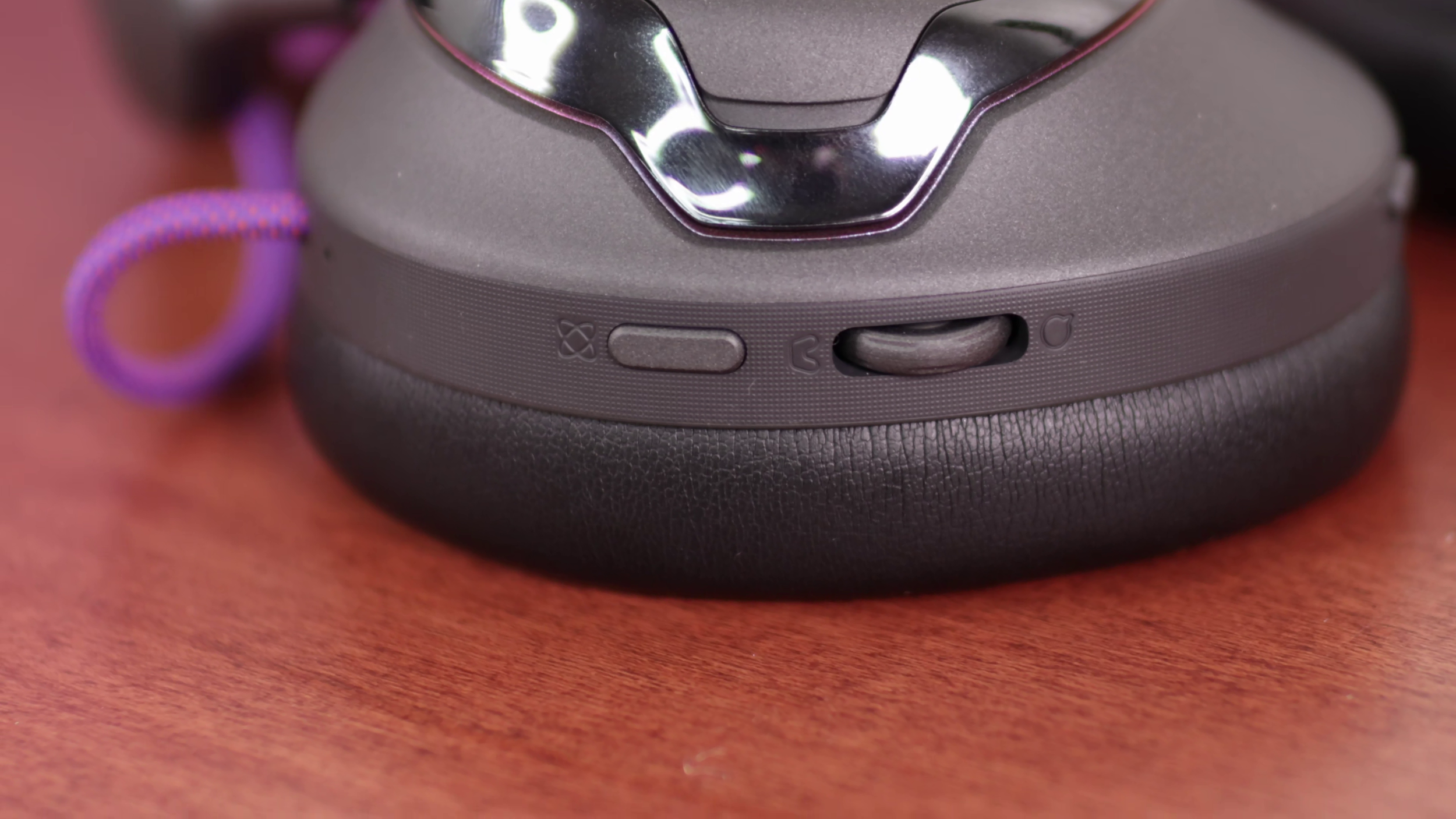
Left Earcup
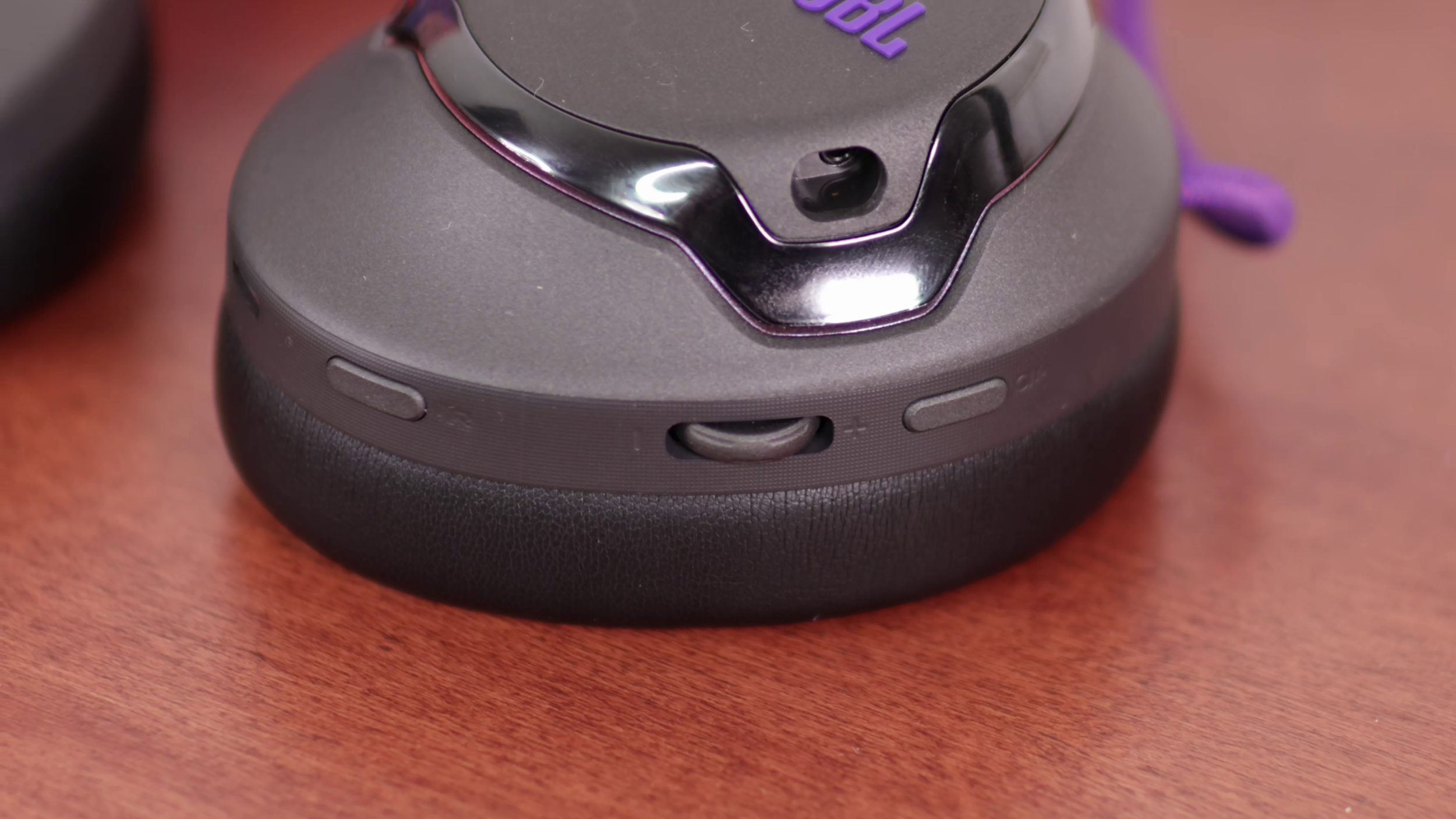
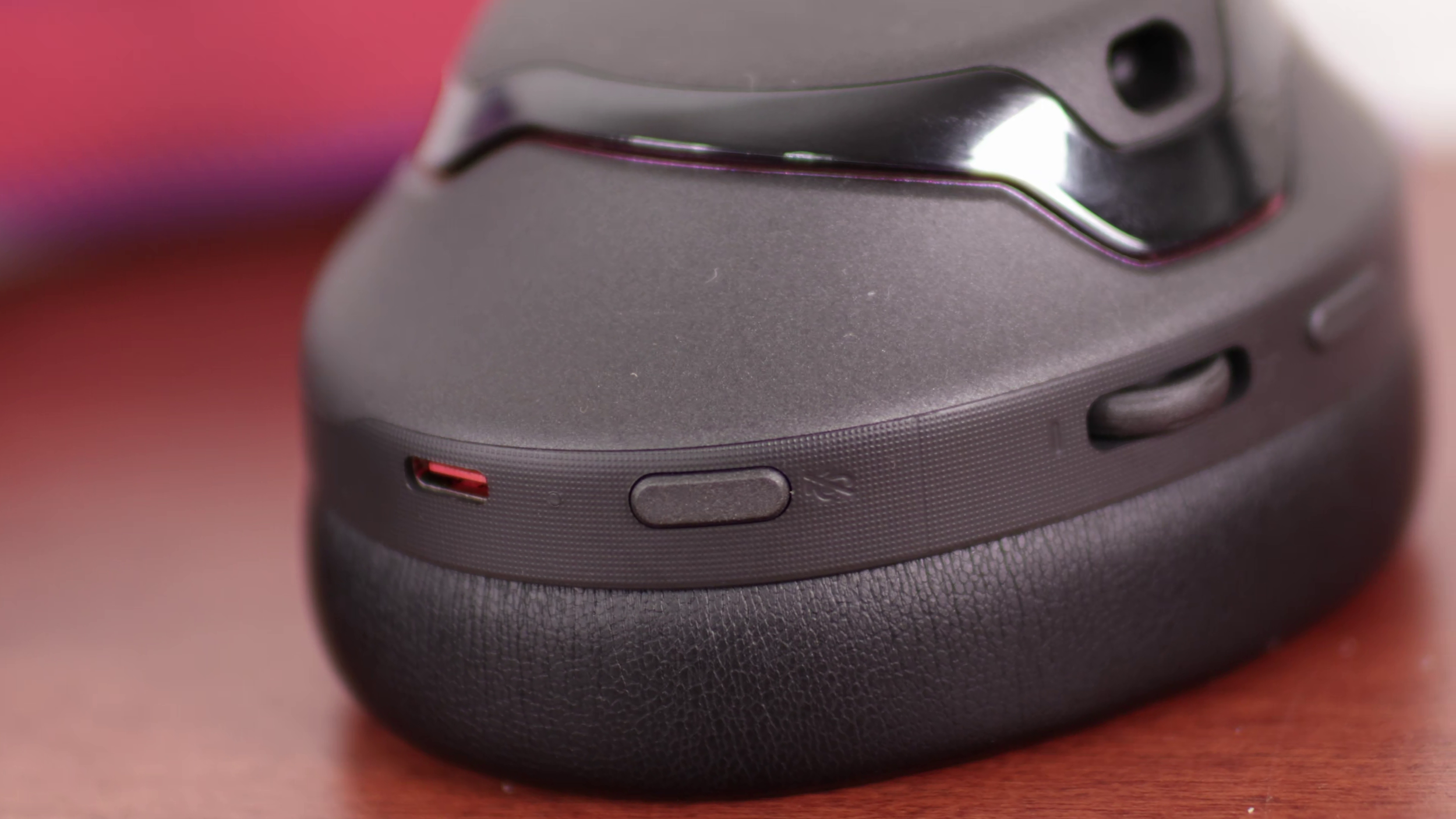
Toggle for ANC/Ambient Aware/off
Volume wheel, infinite scroll. This actually controls both 2.4 GHz system volume and Bluetooth at the same time so it's better to adjust your Bluetooth volume on your phone itself.
Mic mute. This works even when used USB-C to 3.5 mm.
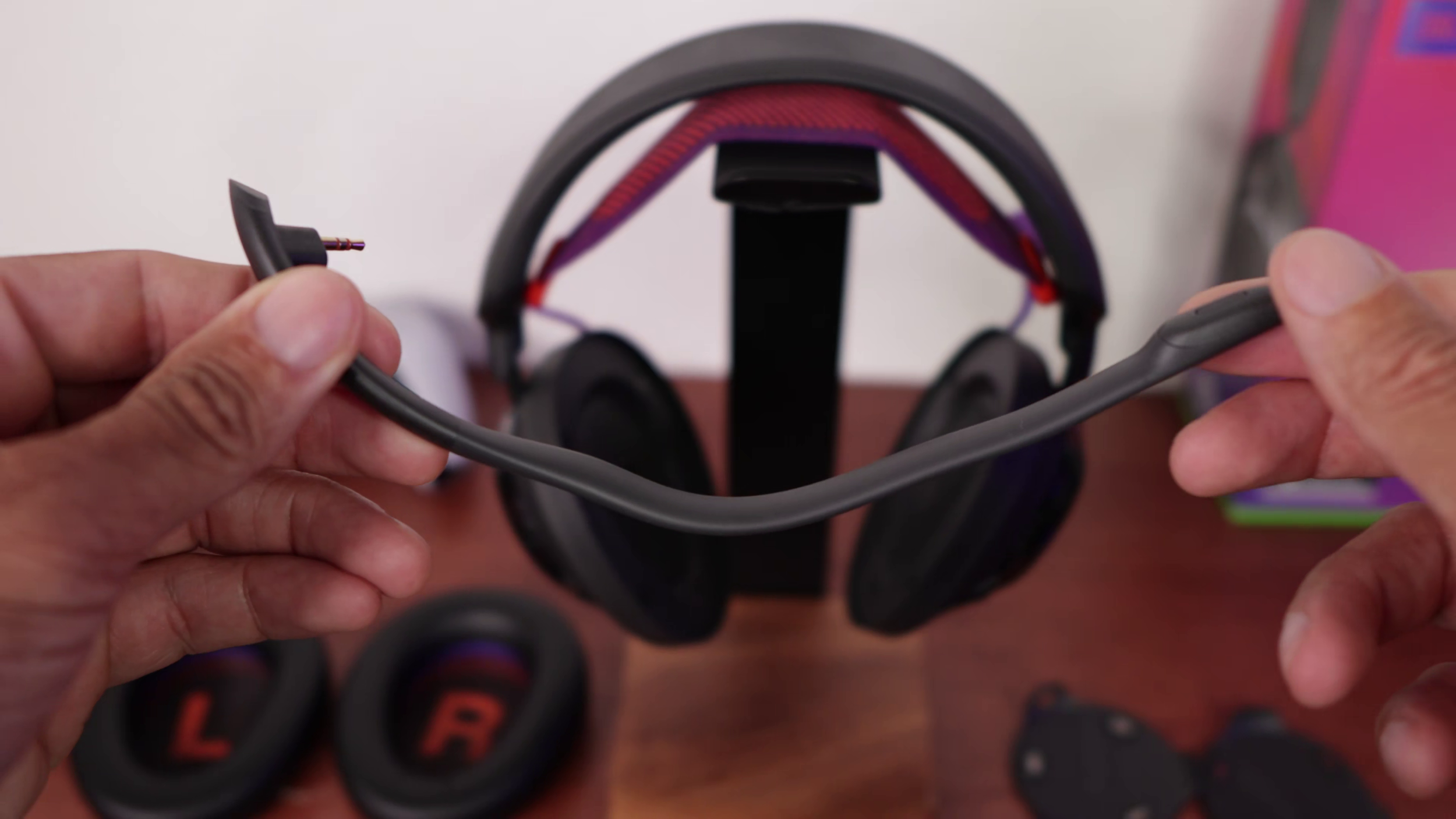
The mic is detachable, and the USB-C port is next to the mute button.
Right Earcup
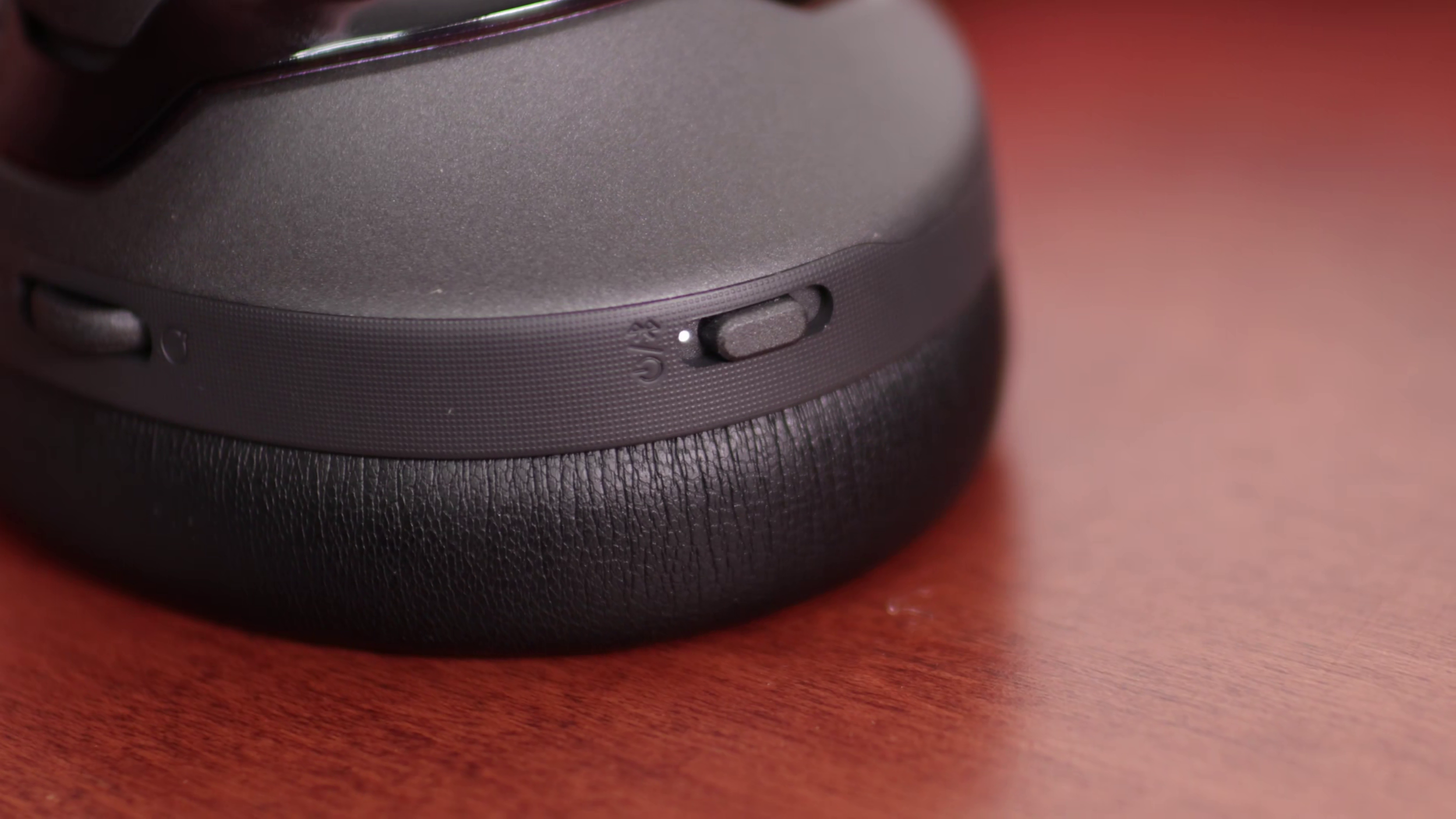
Toggle for Spatial Sound fixed, head tracking, and off
Game/Chat volume mixing wheel.
There are no dedicated Bluetooth controls.
Headphone Audio Quality
Measurements taken with my miniDSP EARS (not industry standard)
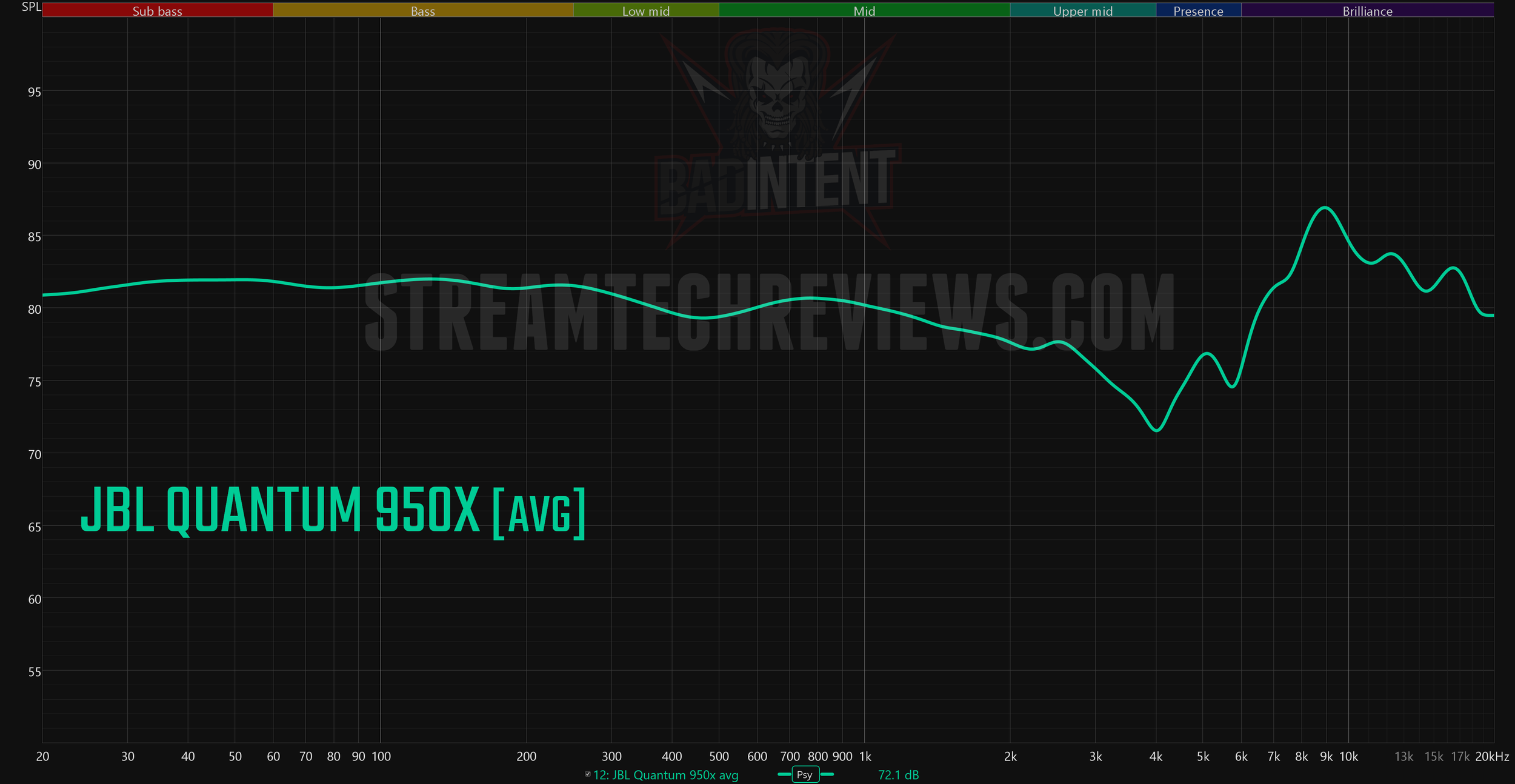
In short, these are treble cannons.
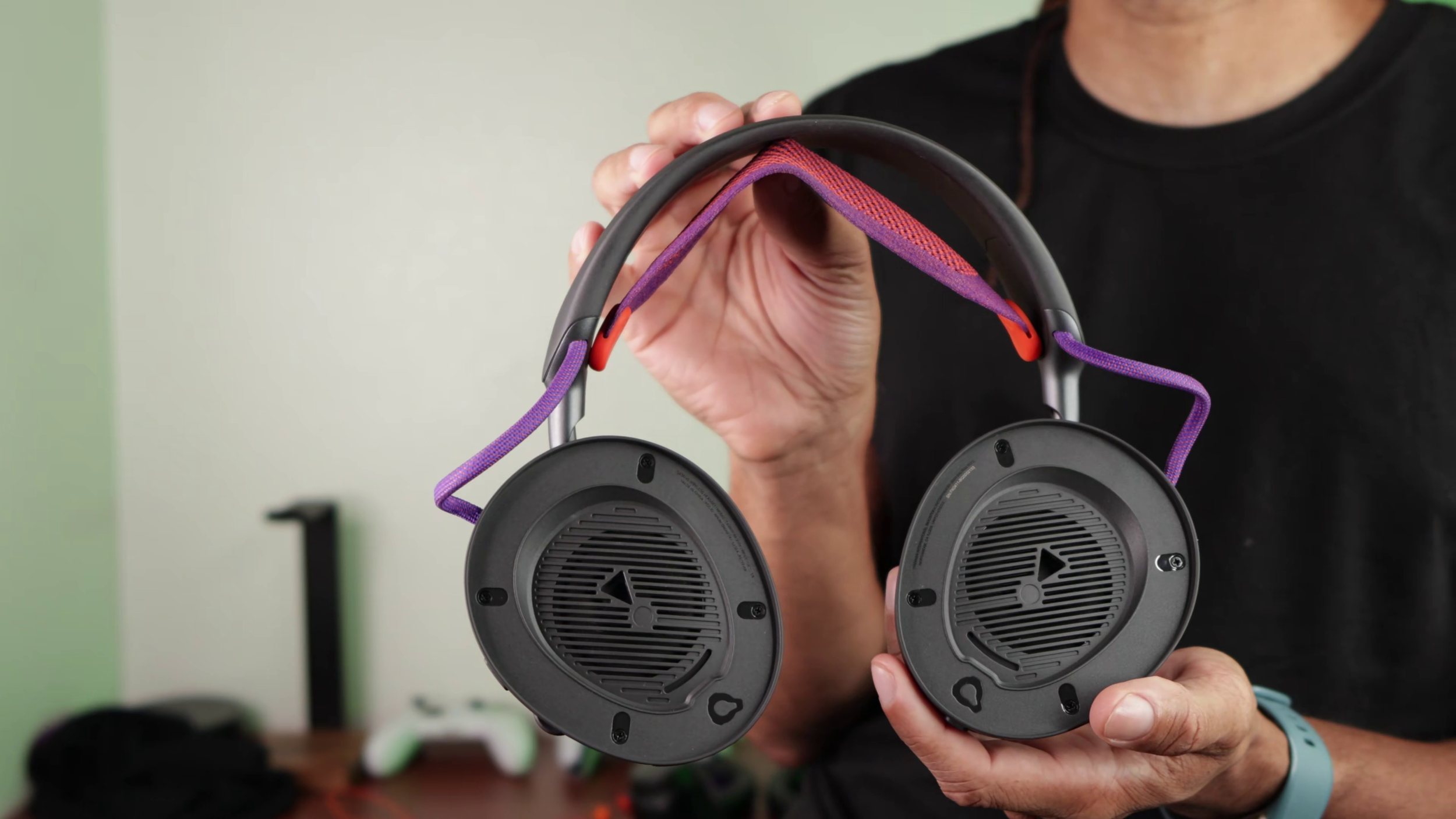
The Quantum 950X uses 50 mm dynamic drivers with carbon dampening. They say this leads to low distortion, but that wasn't my experience. The frequency range is 20 Hz - 40 kHz.
These are NOT the same kind of carbon drivers as the SteelSeries Arctis Nova Elite.
If you're into a lot of treble, you'll love these. The highs are sharp and prominent - similar to older SteelSeries headsets like the Arctis 9. The mids sound open even though this is closed back.
The bass is very limited. It has a small punch to it and decent detail, but minimal power. Don't bother boosting it, as even a slight boost will cause these to bottom out and distort at higher volumes. JBL has committed to what I like to call "implied bass".
When there's an explosion or earthquake, you can't feel it, all you can hear is the hint of the rumble that's supposed to be there.
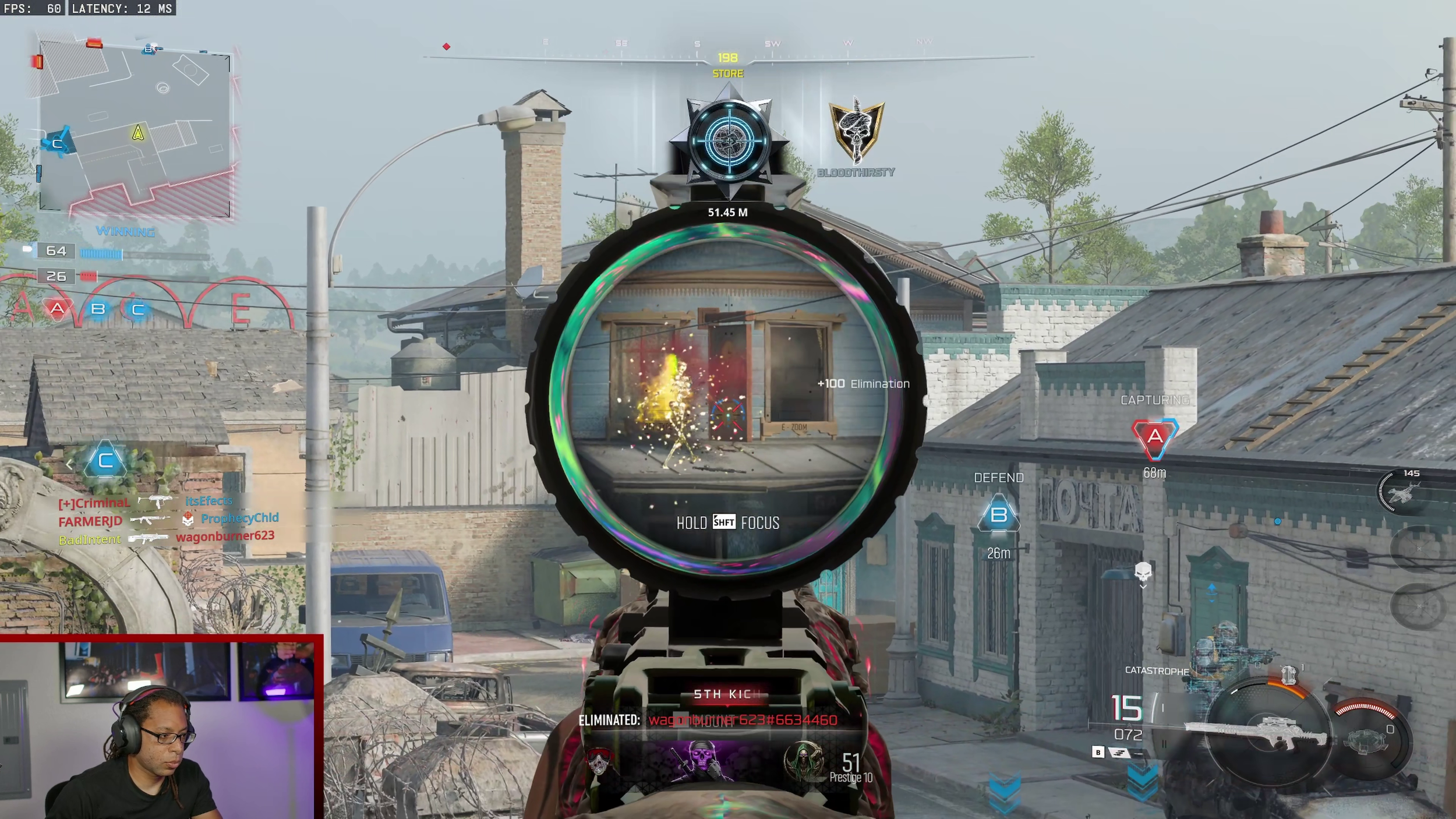
Black Ops 7 with the 950X.
That's quite unfortunate, because in Black Ops 7, the footsteps are intentionally extremely quiet, but they do retain some bass to them when someone's running next to you.
An increase in the bass was the best way I could hear them. But that came at the cost of cluster grenades completely distorting the sub-bass even though these aren't pushing out much low end in the first place.
In other games like Battlefield 6 and Halo Infinite, this isn't really an issue as the footstep audio is much more prominent in those games. And the 950X has great sound separation, even though the sub-bass is wimpy.
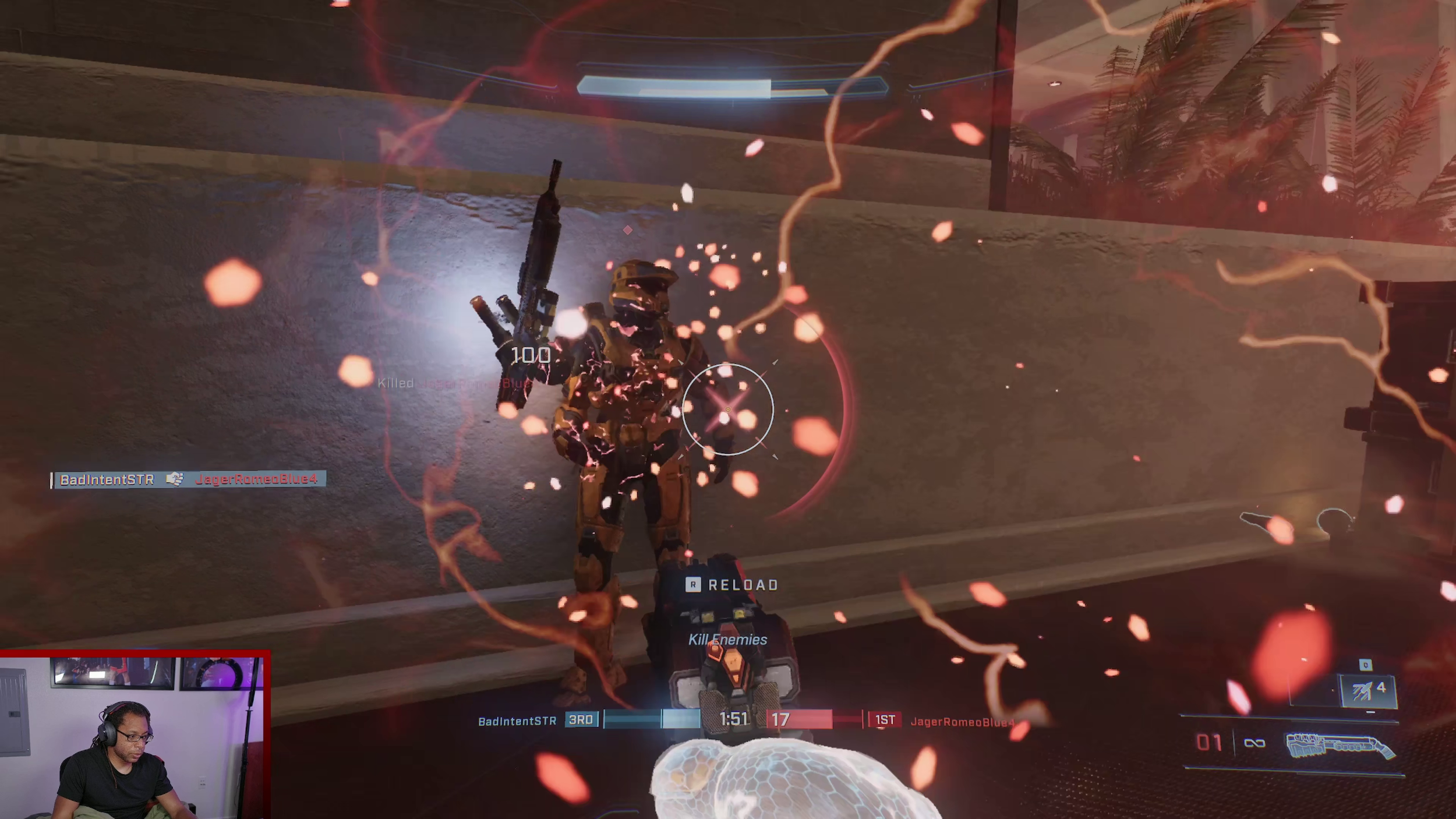
Halo Infinite with the 950X.
In single player games like Cronos: The New Dawn and Armored Core V, I got a sense of space due to the great detail, but whenever there was an impact or tremor, the bass fell completely flat.
These don't get very loud either at 96 SPL. This is one of the quietest headsets I've used, but at least it will stop you from damaging your hearing with the razor sharp highs.
Spatial Audio
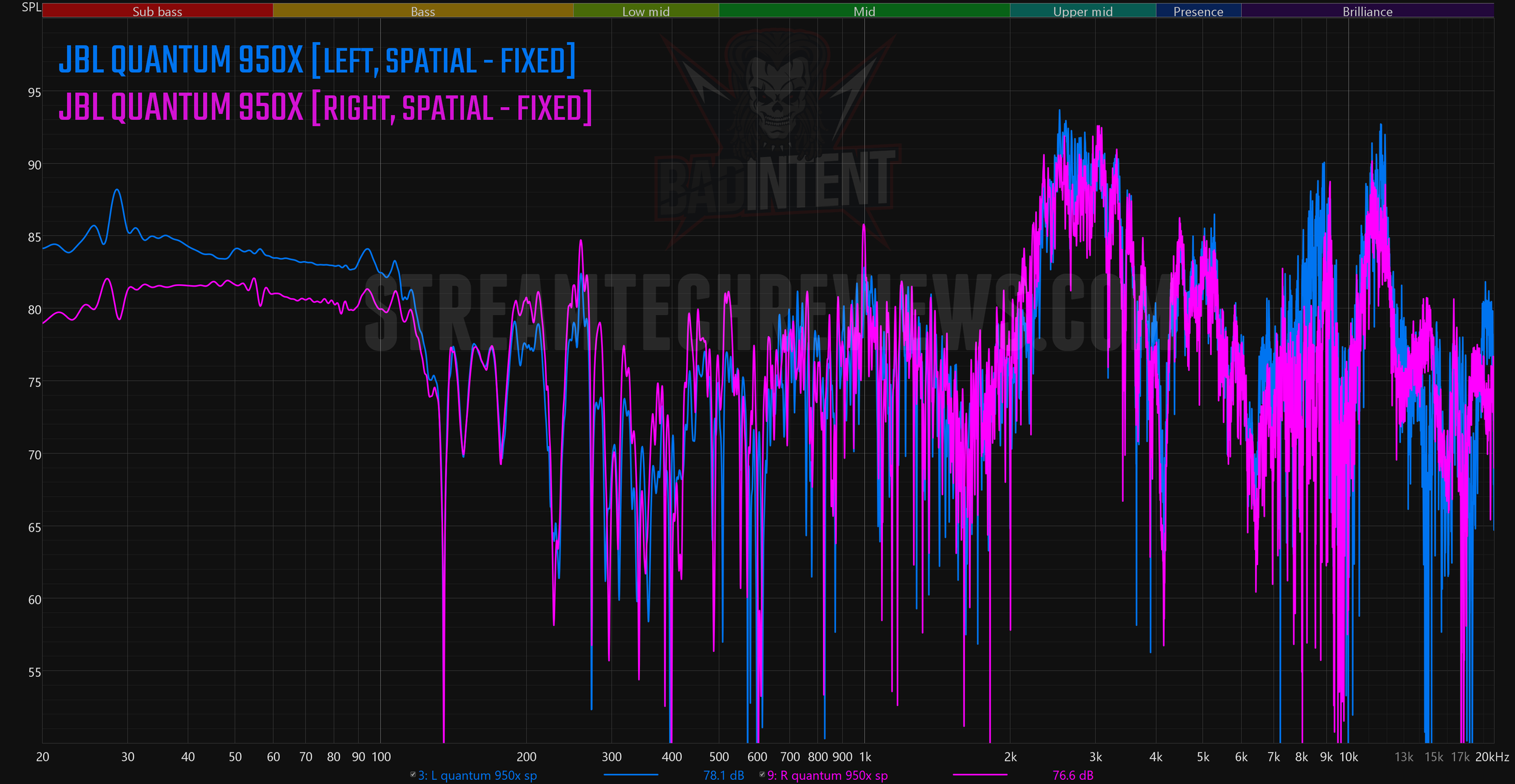
Comb filtering.
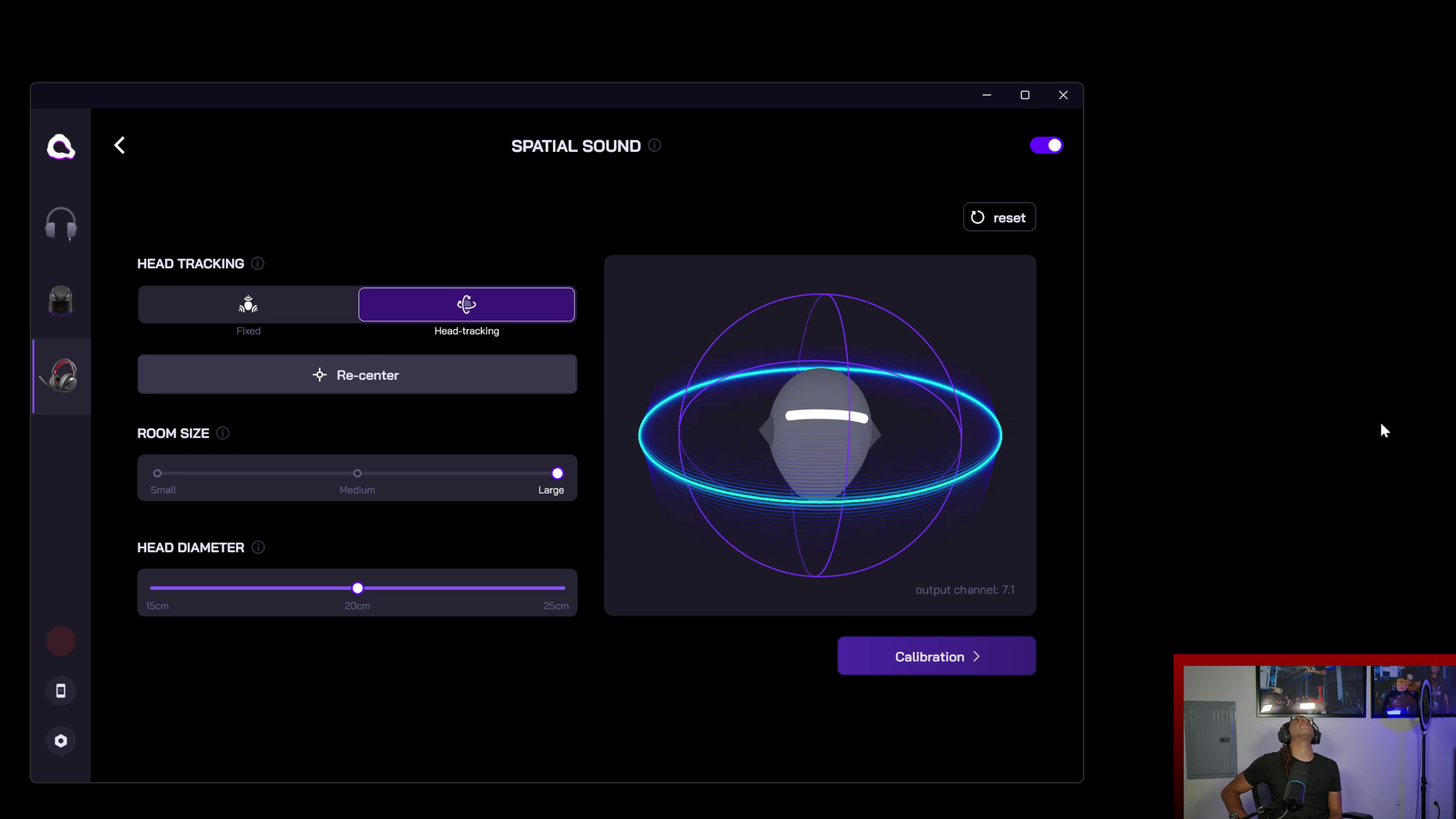
I also tried the spatial sound, because that's a huge selling point and the drivers seem to be made with the expectation that it will stay on.
Head tracking is kind of useless for me. It just makes all audio shift to one side or other if you turn away from center. If you're into it, it does work as advertised and what I'm about to say next mostly applies to the head tracking function also.
“Fixed” looks like a nightmare when measured. Those crazy spikes and dips in the graph above are called comb-filtering. It's what happens when a sound is played and then a slightly delayed version is played back again.
JBL is using the classic combination of a reverb effect plus even more bass reduction to make the environment sound larger. An example of this irl would be when your voice echoes in a room off the walls with no sound dampening.
This also applies the effect of making audio from one channel play in both. It will still be louder from the source it's supposed to be in.
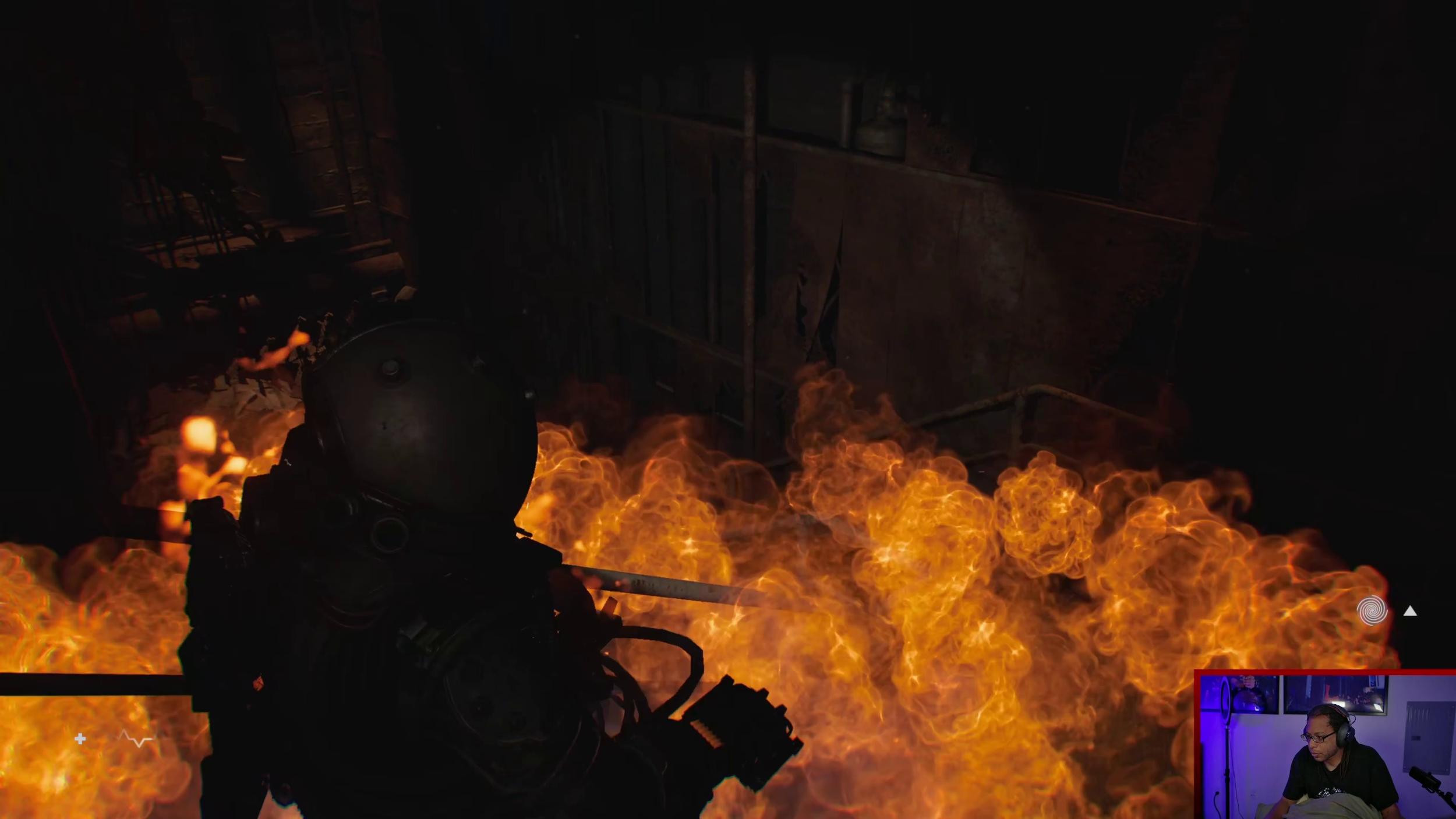
Cronos: The New Dawn with the 950X.
Overall, the drivers are sharp and harsh, great for OG SteelSeries fans and those that like Beyerdynamic headphones. If you're easily satisfied with low bass quantity, these are great.
If you want natural audio or any bass whatsoever, I'd pass. If you like their surround sound gimmicks, you might like it, but otherwise also pass.
Active Noise Cancellation
Outside of the Turtle Beach Stealth Pro 2, I haven't heard decent ANC on any gaming headset yet. This isn't an exception.
I often have to toggle it on and off because I legitimately can't tell if it's on most of the time. If you're looking for something to silence your surroundings, this ain't it.
Microphone Audio Quality
The mic on here is pretty average. It's cardioid with a frequency range of 100 Hz - 8 kHz. Since the mic has good flexibility and holds its shape, I recommend moving it out a bit to reduce the impact of plosives.
Software
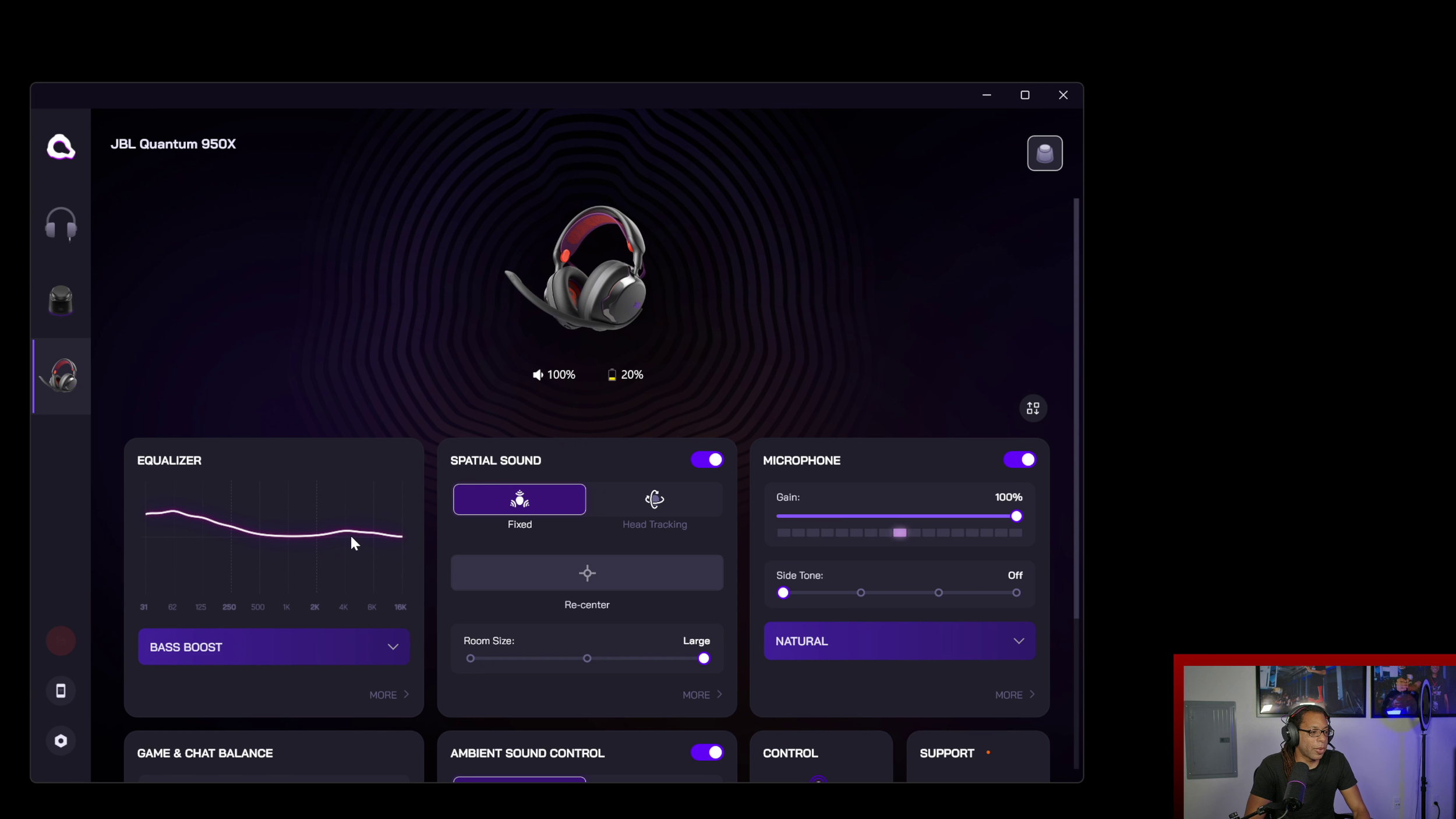
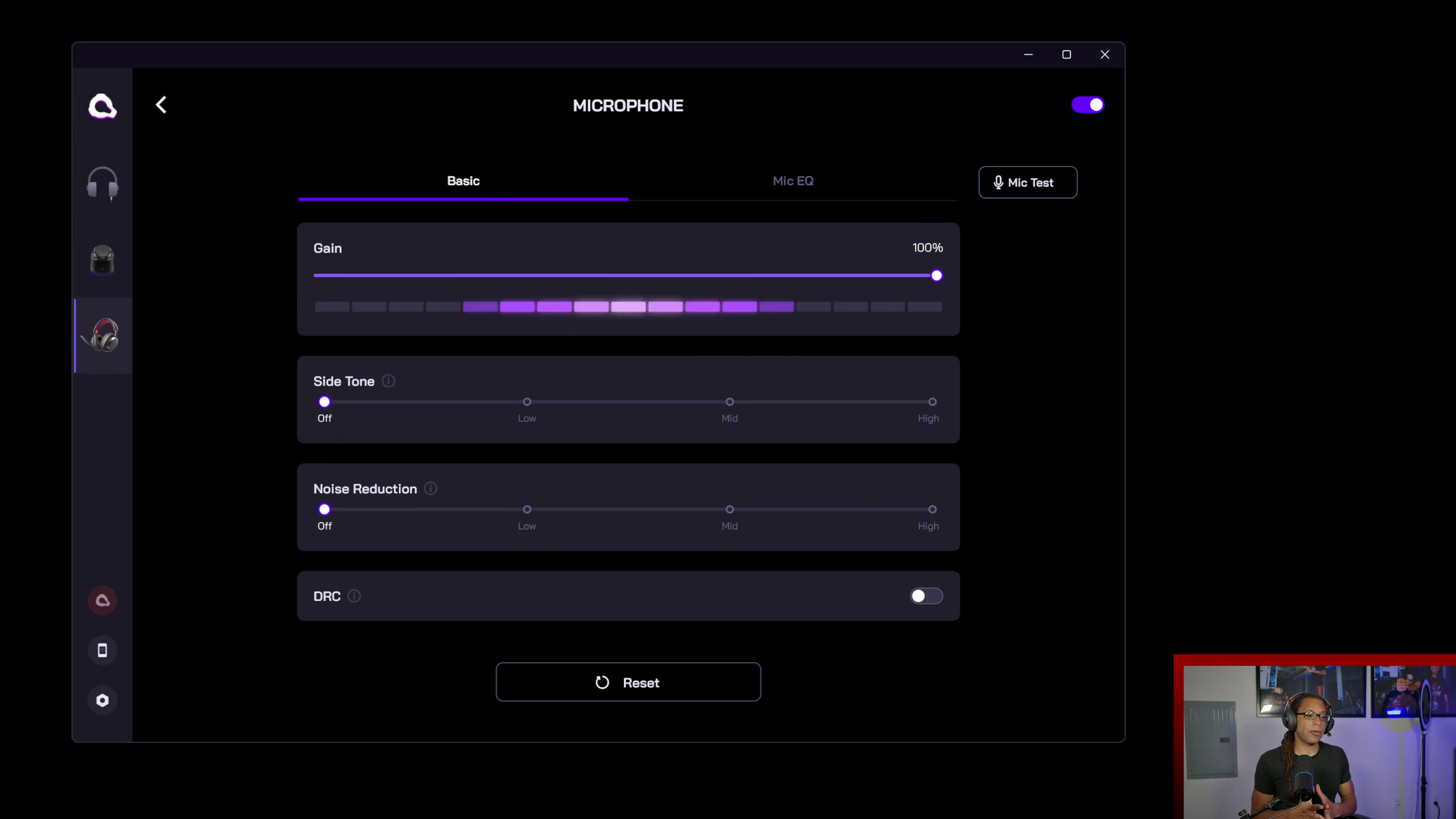
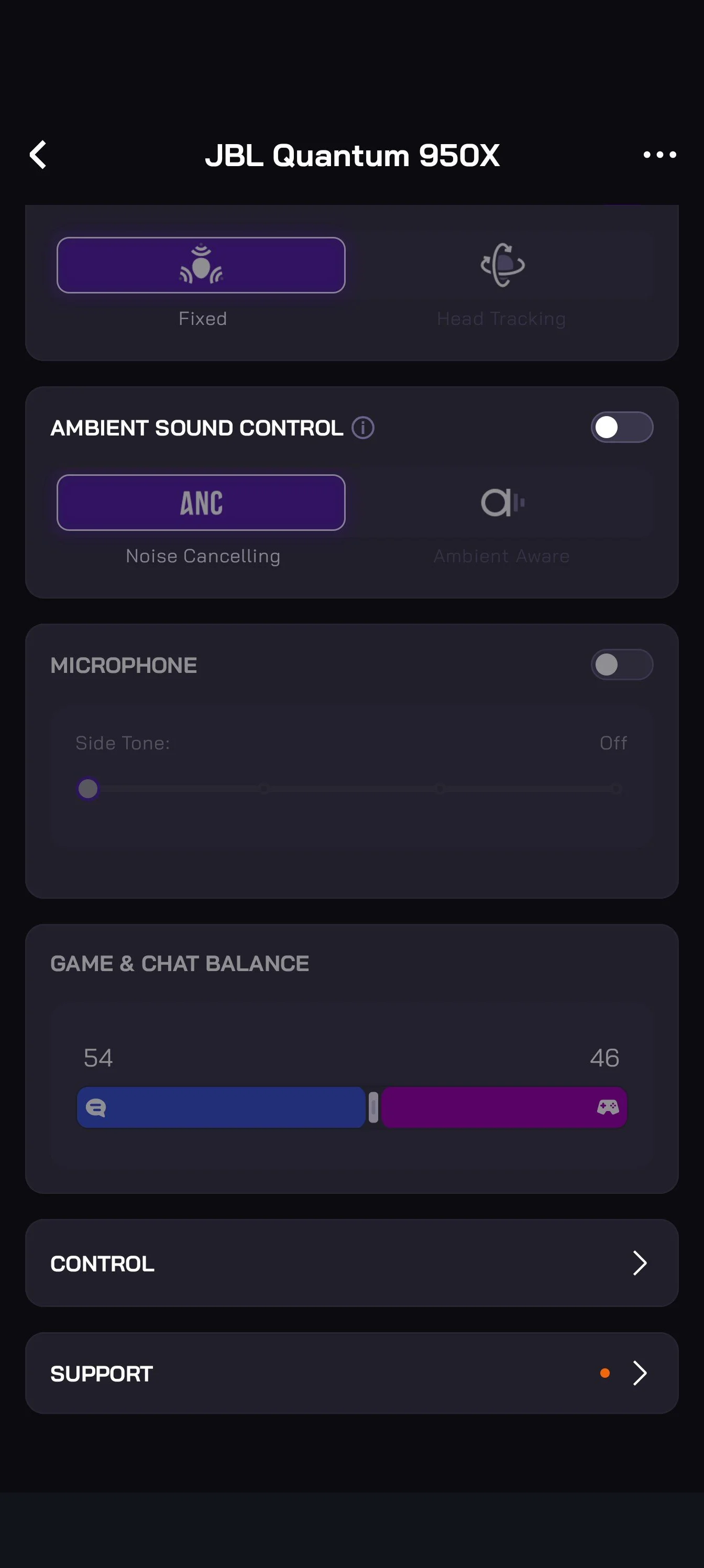
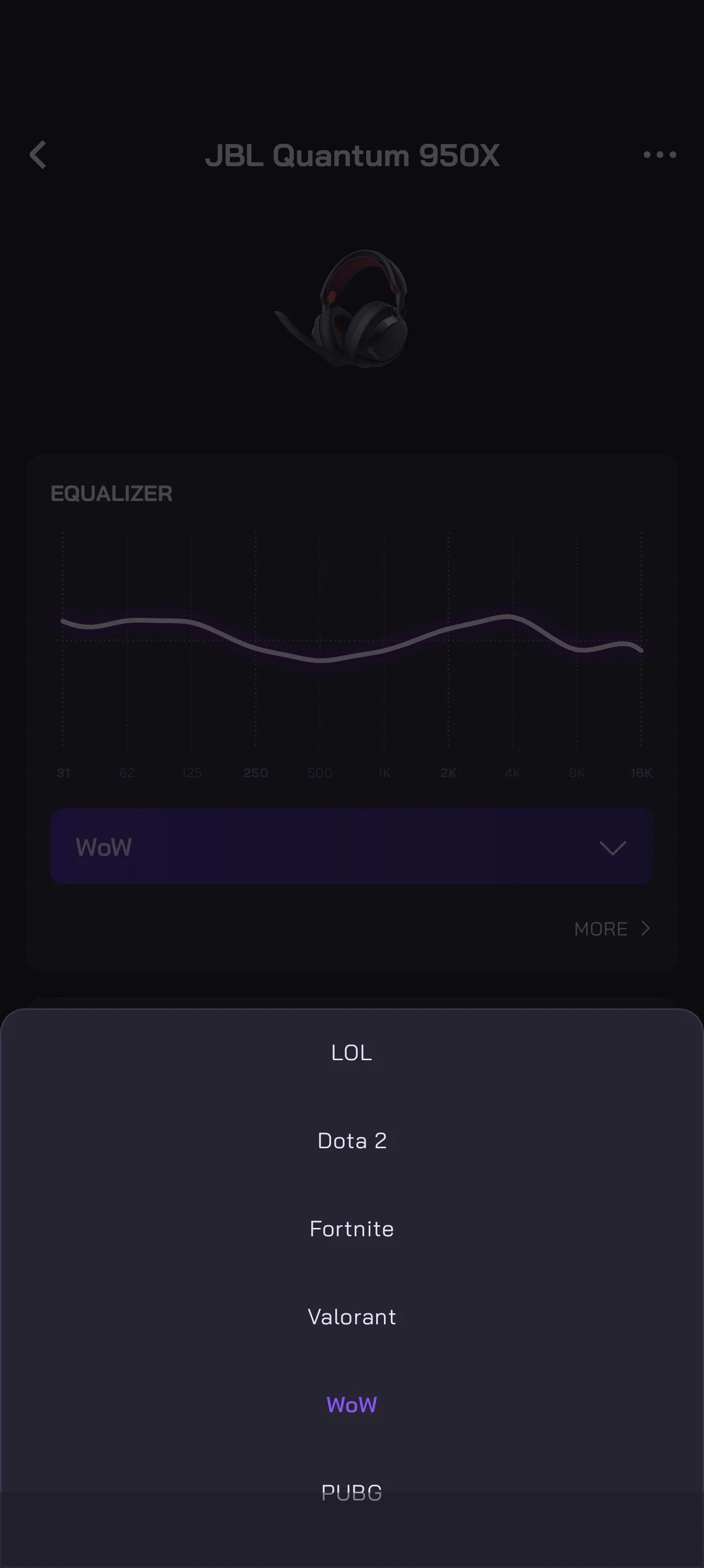
Outside of the constant nagging “change to PC mode” notification every time you open the app from a reboot, the software is decent. You can control basic settings, and you can make and toggle between many different EQ presets.
The main weakness is just that the drivers aren’t good enough to really take much advantage of EQ. The phone app does mostly the same stuff and you can use the phone app to change EQs on the fly when playing on console.
Comfort and Build Quality
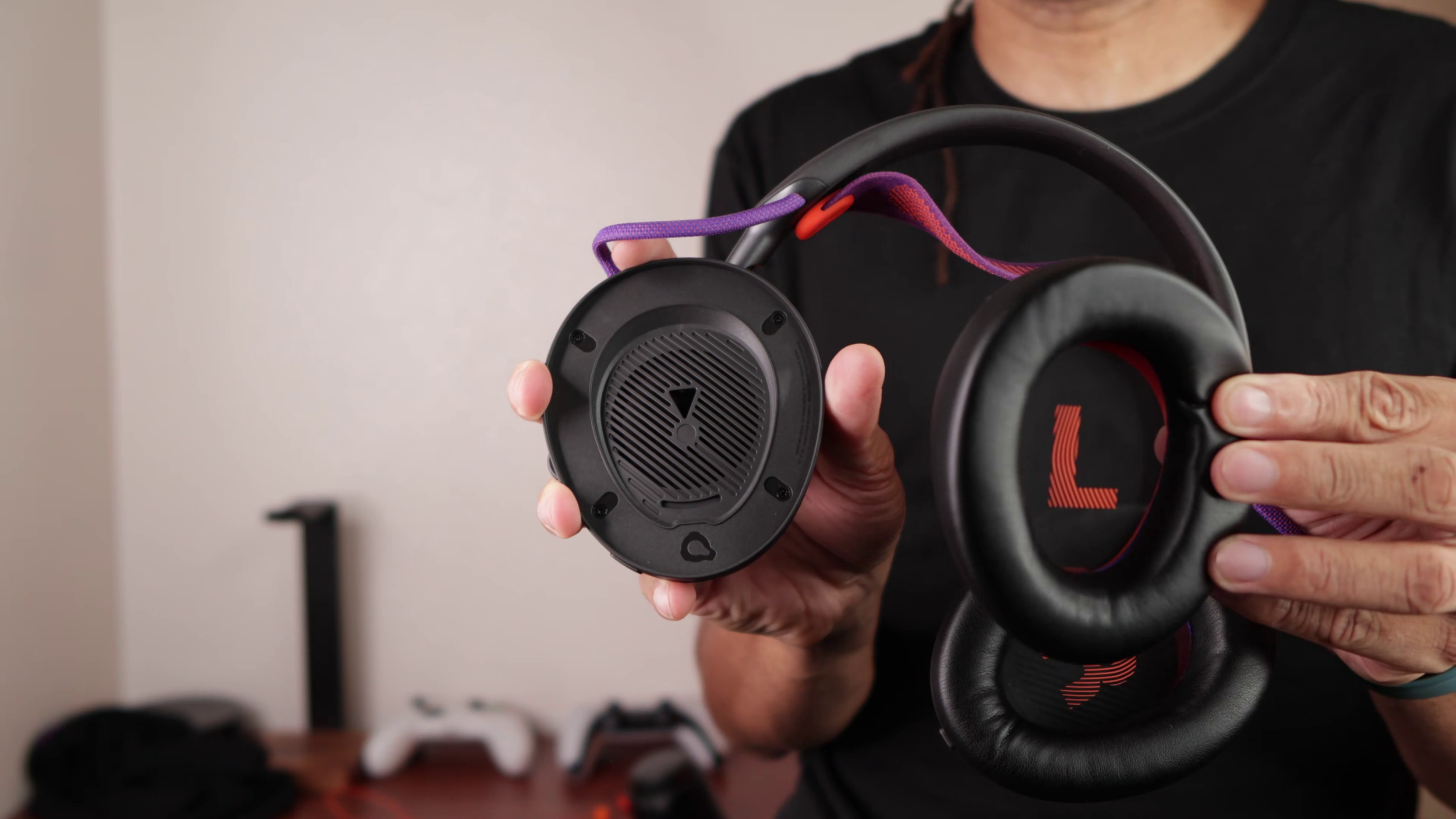
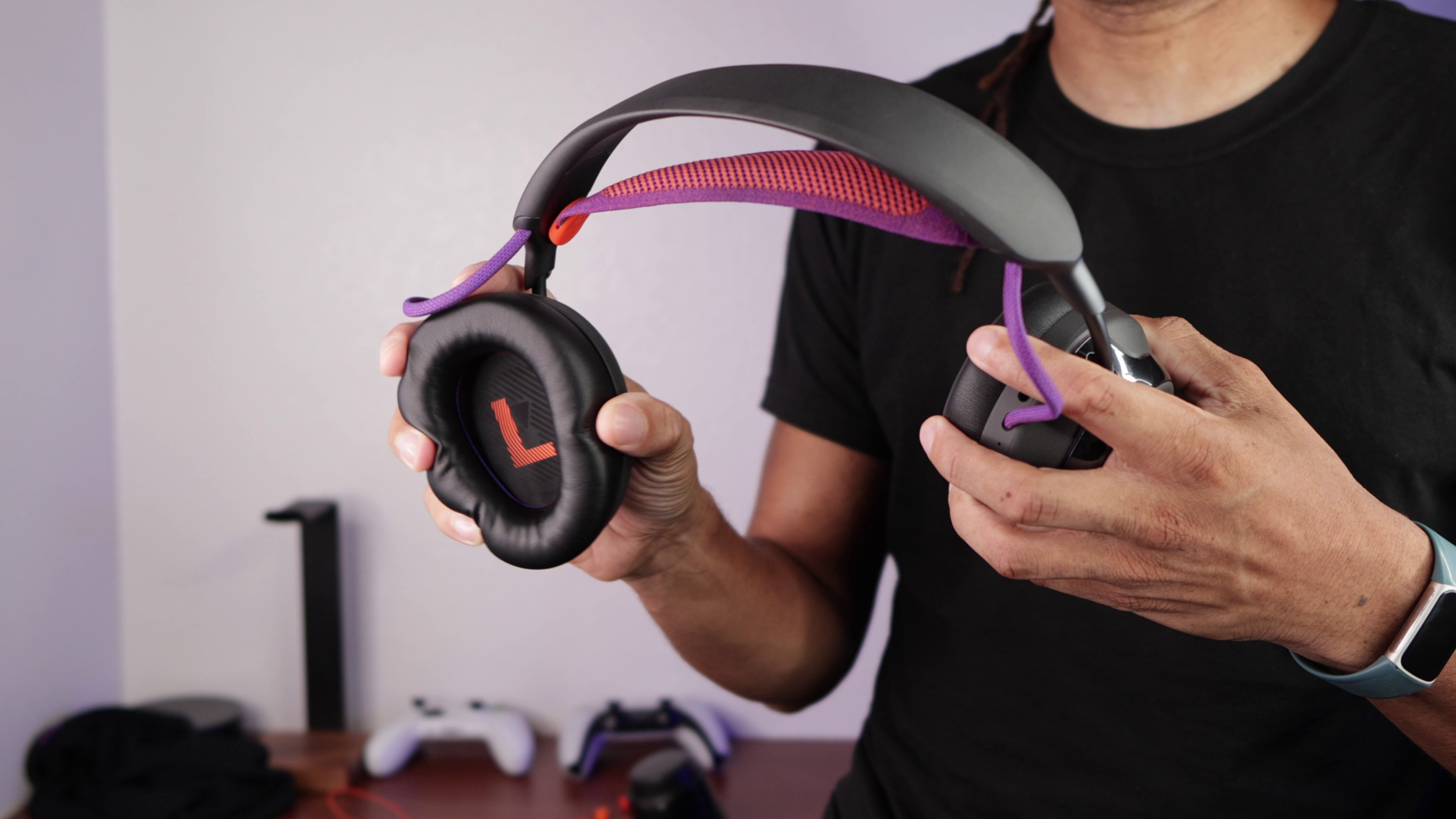
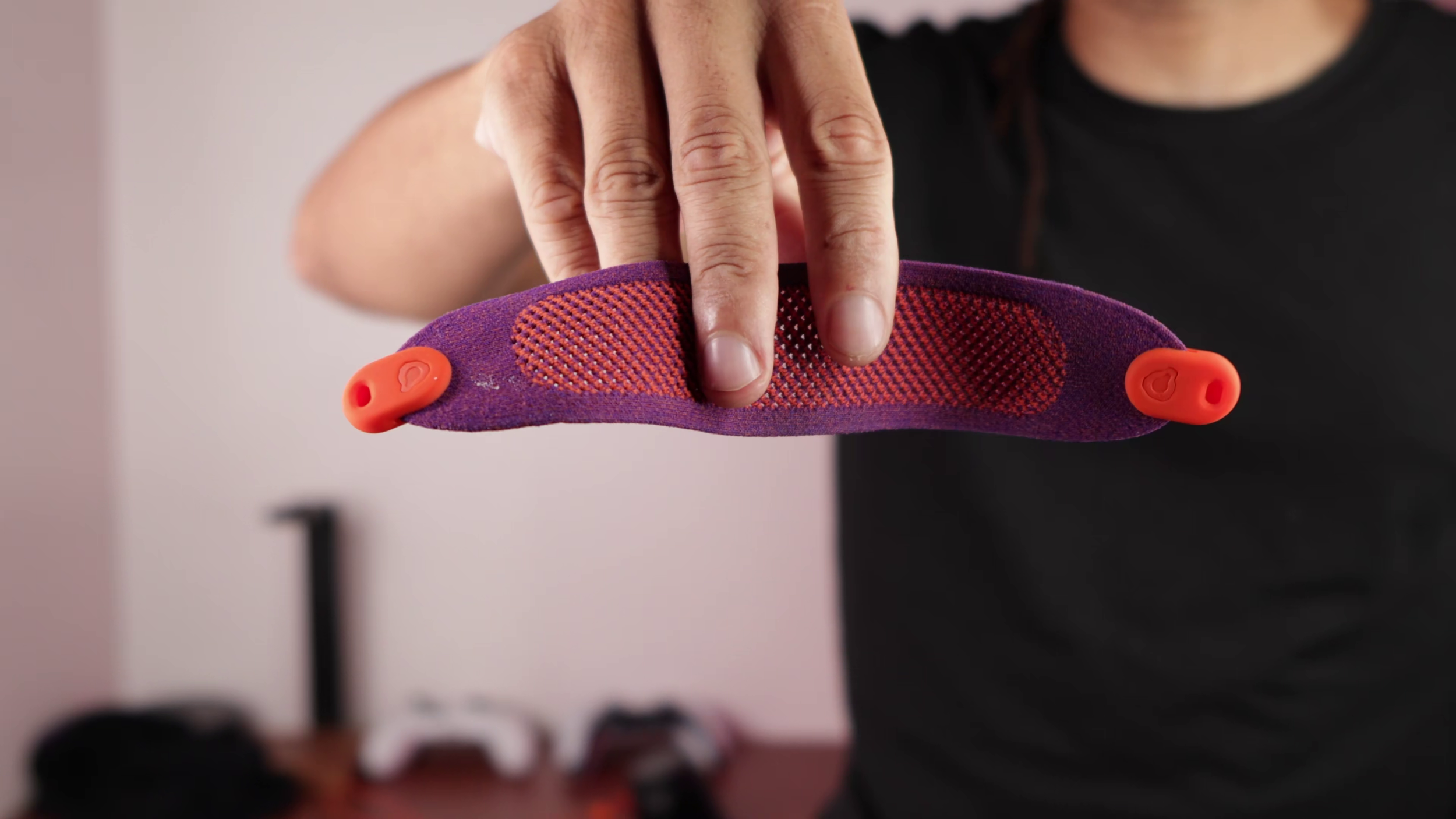
These get a C+ in comfort. It's 385 grams without the mic and 398 with it. Brutal. There are elements I like such as the pleather, swivel, and the adjustable frame height.
The frame is metal. The rest is plastic. The ear cups are nice and large. It's just that weight is too much…
Verdict
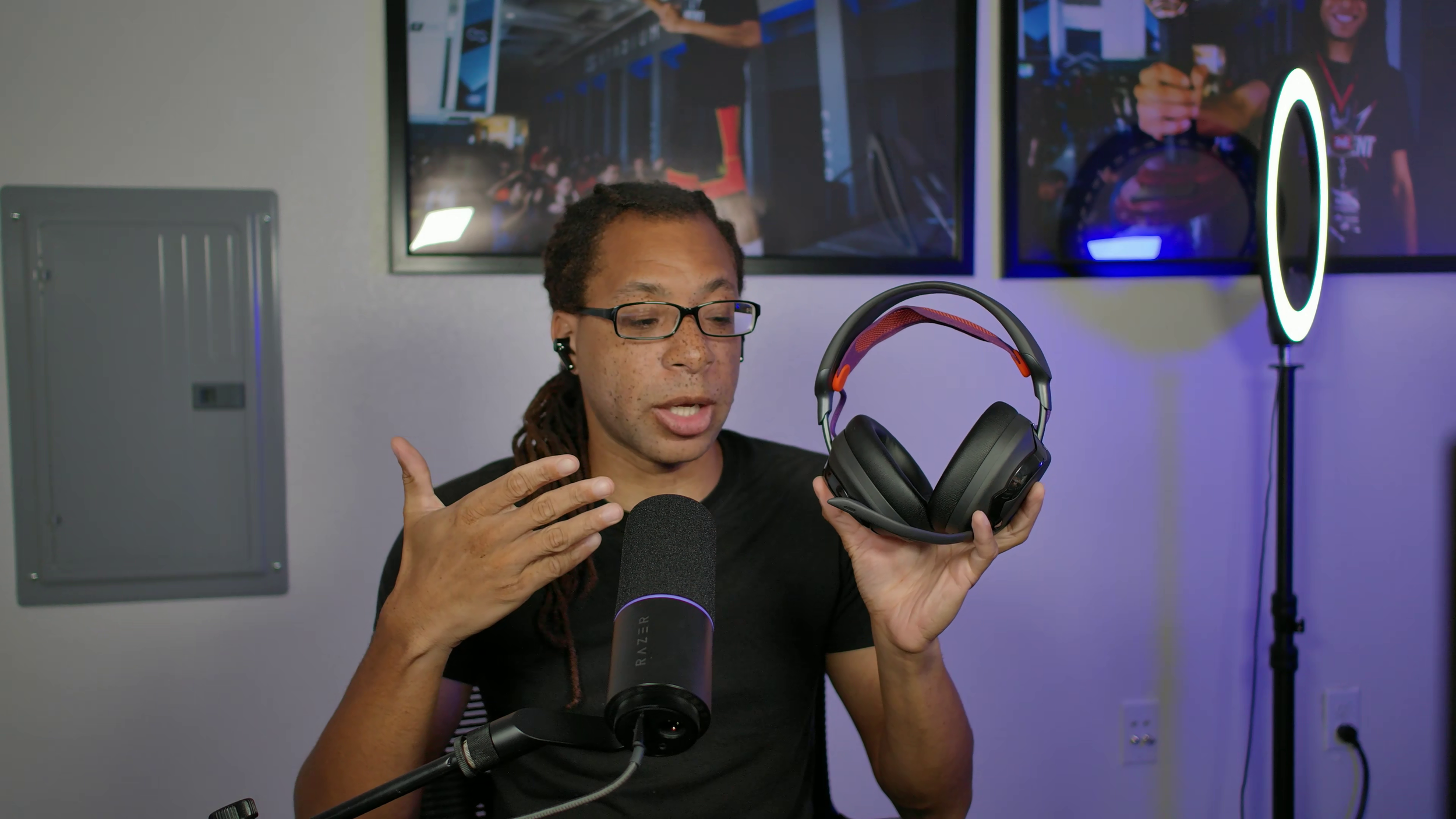
Even though I'm not a fan of the Quantum 950X, treble heads and virtual surround fans will love this thing. It also ticks a lot of boxes like simultaneous 2.4 GHz + Bluetooth, Xbox compatibility, and good software.
It's just not something I'd personally recommend for its $400 launch price.